


Operation TELIC: Dates, Basra, British Forces & the Iraq Campaign
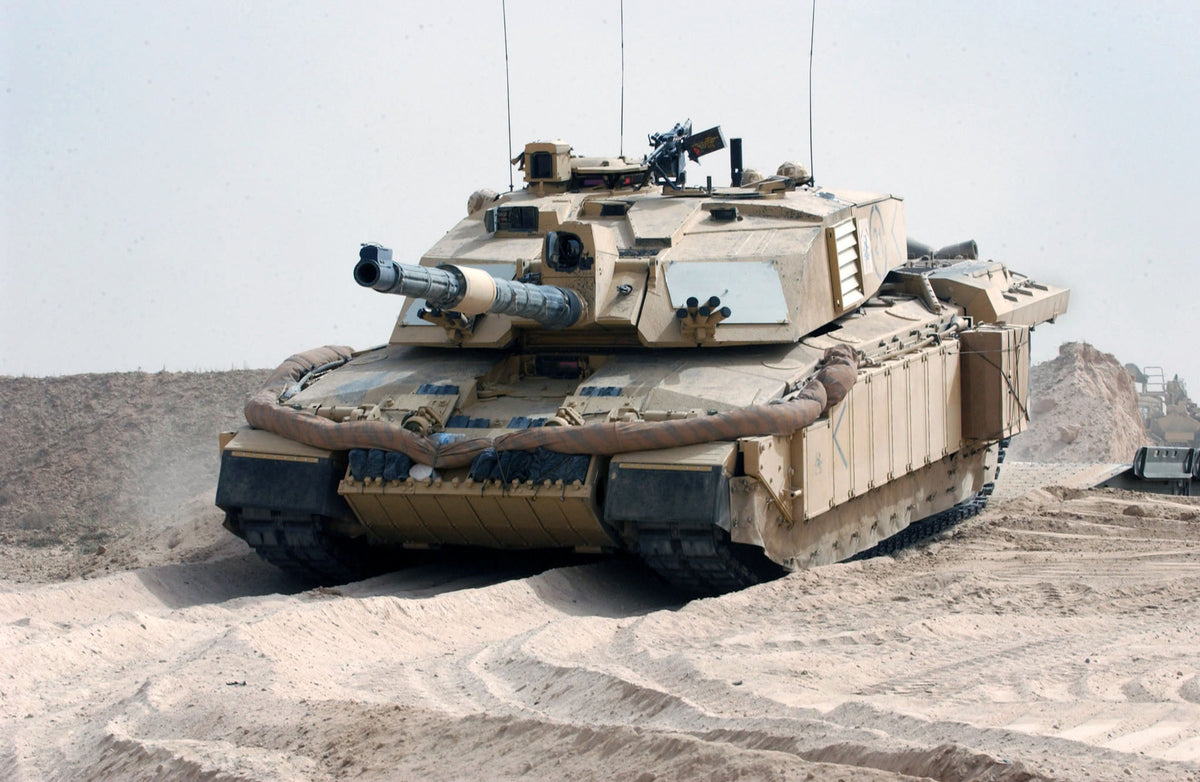
Operation TELIC was the name used for British military operations in Iraq from the 2003 invasion through the final UK training mission in May 2011. The main British combat effort was concentrated in southern Iraq, especially Basra. The campaign changed from conventional invasion to occupation, counter-insurgency, militia conflict, transition and training.

Operation TELIC at a glance
- Country: Iraq
- British operation: Operation TELIC
- Start: March 2003, with the coalition invasion of Iraq
- Main British area: southern Iraq, especially Basra and the wider Multi-National Division (South East) area
- Main combat force withdrew: July 2009
- Formal end: 22 May 2011, when the UK-Iraq Training and Maritime Support Agreement ended
- British deaths recorded for TELIC: 179 Armed Forces personnel or MOD civilians
Why was it called Operation TELIC?
TELIC was the British operational codename for the Iraq deployment. It covered multiple rotations and phases rather than one battle or one unit. A soldier serving on TELIC 3 in the early occupation could therefore experience a very different Iraq from someone serving on TELIC 10 in Basra in 2007.
What did Britain do in 2003?
British land forces formed the principal coalition component in southern Iraq. 1 (UK) Armoured Division, commanded by Major General Robin Brims, operated around Basra while Royal Marines and other forces secured the Al-Faw Peninsula and key infrastructure.
The conventional phase was relatively short. British forces isolated and entered Basra in early April. The harder problem followed: restoring security and public services after the collapse of the Ba’athist state.
Why was Basra so important?
Basra was Britain’s main political and military centre in Iraq. It was a major city, an oil hub and the centre of the UK-led Multi-National Division (South East). British responsibility extended across Basra, Maysan, Dhi Qar and Al Muthanna.
As the campaign developed, the threat shifted from regular Iraqi formations to insurgents, militia networks, roadside bombs, rockets, mortars and political competition. The rise of Muqtada al-Sadr and the Mahdi Army became part of that changing picture.
What was Operation Charge of the Knights?
In March 2008 Iraqi Prime Minister Nouri al-Maliki accelerated an Iraqi-led offensive in Basra against militias and criminal networks. British and American forces provided support, but Iraqi forces were in the lead. That distinction matters because the later TELIC campaign was increasingly about whether Iraqi institutions could assume responsibility for security.
When did British combat operations end?
The majority of British combat forces withdrew from Iraq in July 2009. A Royal Navy mission remained to train the Iraqi Navy. On 22 May 2011 the UK-Iraq Training and Maritime Support Agreement ended, and the Ministry of Defence described that as the formal conclusion of Operation TELIC.
Is Operation SHADER part of TELIC?
No. British forces returned to operations over Iraq from 2014 under Operation SHADER as part of the campaign against Islamic State. SHADER is a separate operation with a different strategic and legal context.
Go deeper
- Operation TELIC research hub
- Complete Operation TELIC campaign guide
- Basra 2003–2009 — Britain’s main Iraq front
- Battle of Danny Boy and the Al-Sweady Inquiry
Source
Ministry of Defence — Operations in Iraq finish with completion of Royal Navy training mission.
