


Nouri al-Maliki, Basra and Operation Charge of the Knights
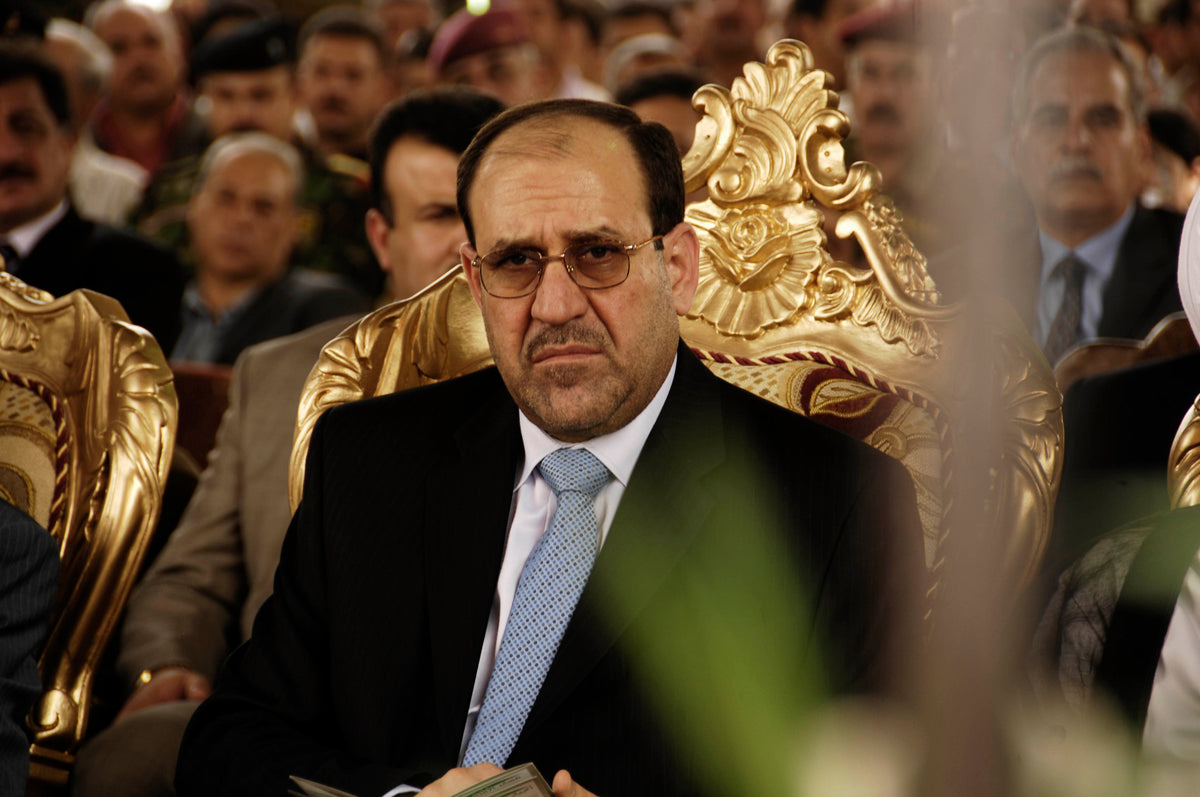
Nouri al-Maliki served as Prime Minister of Iraq from 2006 to 2014. For the British Operation TELIC story, his most important connection is Basra in 2008, when he accelerated and personally oversaw the Iraqi security offensive known as Operation Charge of the Knights.

Who was Nouri al-Maliki?
Al-Maliki was a long-time opponent of Saddam Hussein’s Ba’athist regime and a senior figure in the Islamic Dawa Party. He spent years outside Iraq before 2003 and became Prime Minister in 2006 during one of the most violent periods of the post-invasion conflict.
The problem in Basra
By 2007 British forces were reducing their direct presence in Basra and the province transferred formally to Iraqi control in December. Yet militia influence, criminality and political competition remained serious problems. Iraqi security forces had to demonstrate that transfer of authority meant more than a change of flags over headquarters.
Operation Charge of the Knights
Senior Iraqi commanders had been preparing an operation against armed groups in Basra. According to the House of Commons Defence Committee, the original timetable was accelerated at al-Maliki’s direction. He travelled to Basra on 25 March 2008 and personally oversaw the operation.
The offensive, Saulat al-Fursan or Charge of the Knights, was intended to reassert government authority against militias and criminal networks. Muqtada al-Sadr’s Mahdi Army was among the principal armed movements affected.
A difficult opening
The first days exposed weaknesses in Iraqi forces, including command problems and uneven unit reliability. British and American forces provided support. The operation nevertheless developed into a broader assertion of Iraqi state power, and by the end of March Mahdi Army elements had largely disappeared from open positions in the city after a ceasefire.
Why the operation mattered to Britain
For years the British campaign had been criticised over deteriorating security in Basra and the question of whether withdrawal simply handed space to militias. Charge of the Knights altered that picture because the Iraqi government and Iraqi security forces took the leading role in confronting armed groups.
The House of Commons Defence Committee later described the operation as producing a major shift in the balance of power between Iraqi security forces and militias. It was therefore both a Basra battle and a test of the political transition on which British disengagement depended.
Al-Maliki and the limits of a simple victory narrative
The 2008 operation strengthened the Iraqi government’s authority in Basra, but the wider political record of al-Maliki’s premiership remains contested. For a TELIC field guide, the important point is narrower: by 2008 the central military question for Britain was increasingly whether Iraqi institutions could take responsibility for security themselves.
Continue Operation TELIC
- Operation TELIC — Iraq campaign hub
- Complete British Iraq campaign guide
- Muqtada al-Sadr and the Mahdi Army
