


Operation TELIC 2003–09: From Invasion to Occupation, Counter-Insurgency & Overwatch
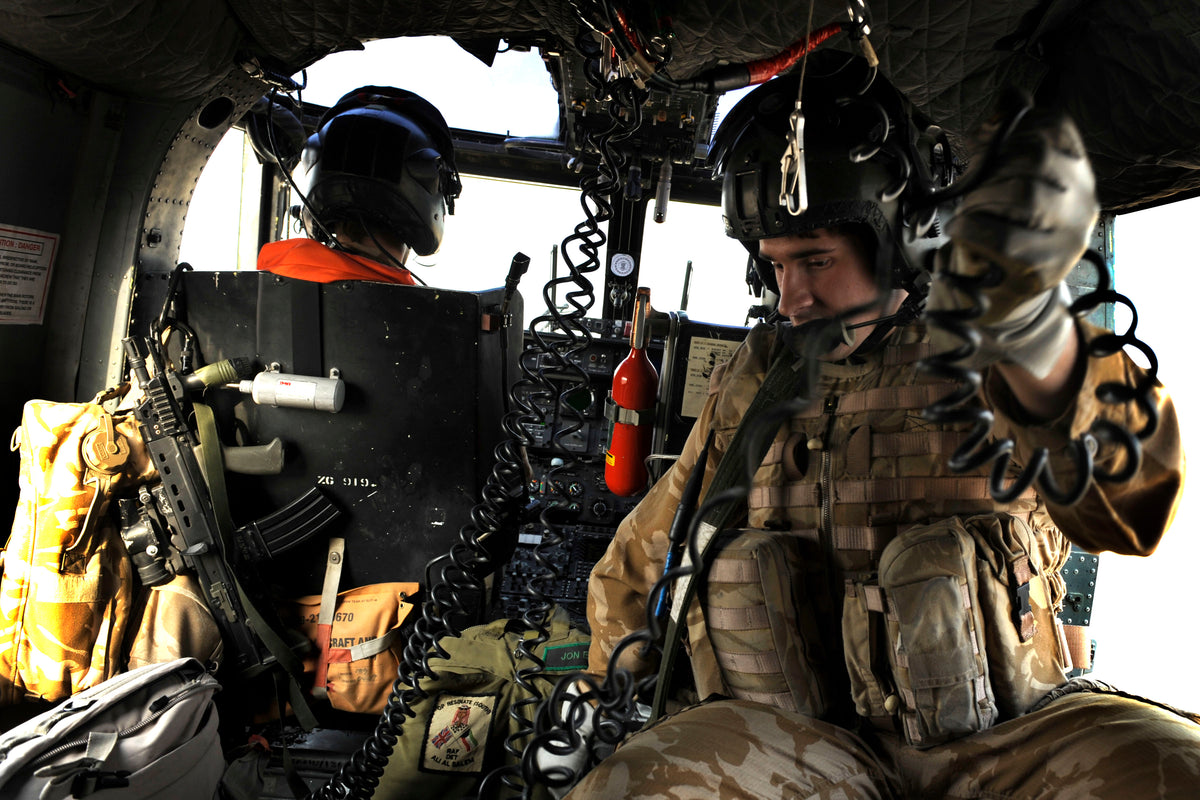
Operation TELIC did not remain the same mission for six years. The force that crossed into Iraq in March 2003 was built for high-tempo conventional war; the force that left Basra in 2009 had spent years adapting to occupation, insurgency, militia politics and security-force transition.
This Field Note explains that evolution. The full chronology remains in the Operation TELIC campaign guide.
Phase one: invasion
In March 2003, British forces operated as part of the US-led invasion. The main British focus was southern Iraq and Basra. Conventional armoured manoeuvre, artillery and air support dominated the opening weeks.
Phase two: occupation
After the fall of the Ba'athist state, British forces moved rapidly into policing, governance support and reconstruction tasks for which the force structure had not been designed in the same way as the invasion.
Phase three: insurgency and militia conflict
From 2004, militia violence, IEDs, indirect fire and political instability increased. Patrol tactics, base protection, vehicles and intelligence priorities all changed.
Explore this history
Continue from this Field Note into the closest Gallus campaign and military-history collection.
Phase four: transition
British strategy increasingly focused on transferring security responsibility to Iraqi forces. Provinces moved to Iraqi control, bases closed and the British footprint shrank.
Phase five: overwatch
After leaving Basra Palace in September 2007, British forces concentrated at Basra Air Station. Their role became one of support, training and overwatch rather than routine occupation of the city.
2008–09: Iraqi lead
Operation Charge of the Knights illustrated both the progress and weaknesses of Iraqi security forces. By April 2009 the main British military mission was declared complete, with combat forces withdrawn soon afterwards.
2011: the final TELIC element
A smaller Royal Navy training mission continued until May 2011, marking the formal end of Operation TELIC.
What changed tactically
Vehicle protection, counter-IED methods, intelligence, rules of engagement, base posture and relationships with Iraqi forces all evolved. A soldier arriving on TELIC 1 in 2003 and one arriving several years later could be serving under the same operation name but experiencing a markedly different campaign.
Continue exploring
Sources and evidence used
- The Iraq Inquiry, Executive Summary and supporting reports.
- UK Ministry of Defence Operation TELIC histories and official casualty reporting.
- National Army Museum material on British operations in southern Iraq.
Related Field Notes
CONTINUE THE STORY
More from this campaign
Read it, reference it or wear it — the related pieces are kept together here.
FEATURED DESIGN
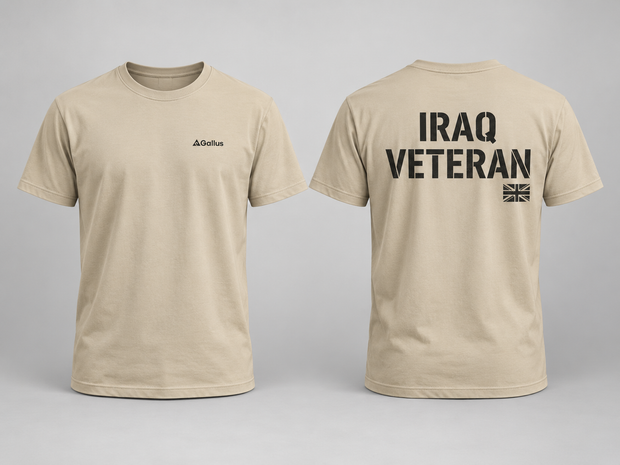
Operation TELIC Iraq T-Shirt — British Army Heritage
€30,95 EUR
View the design →FIELD NOTES
Get new Field Notes by email
New research, campaign guides and useful references without a daily sales barrage.
