


1st Commonwealth Division in Korea 1951–53: British, Canadian, Australian & New Zealand Forces — Complete Field Guide
The 1st Commonwealth Division was more than a British formation with allied battalions attached. It was a genuinely multinational fighting division built around British, Canadian, Australian, New Zealand and Indian contributions.
Formed in Korea in July 1951, the division brought together formations that had already fought through the mobile phase of the war. It then spent most of its existence in the difficult positional fighting that followed.
This guide focuses on how the division was organised, how it fought and what Commonwealth cooperation looked like in practice. The wider war is covered in the Korean War campaign guide.
Why a Commonwealth division?
Britain, Canada, Australia, New Zealand and India had all committed forces to the UN effort. Combining them under one divisional headquarters simplified command and logistics while giving the Commonwealth contribution greater operational coherence.
By July 1951, the front was stabilising. The division needed to hold ground, conduct limited offensives and raids, and integrate artillery, armour, engineers and medical support across different national contingents.
Brigades and supporting arms
The division's infantry structure changed over time as battalions rotated, but it normally included 25th Canadian Infantry Brigade, 28th Commonwealth Infantry Brigade and 29th British Infantry Brigade. Australian and British battalions served within the Commonwealth brigade structure, while New Zealand artillery and Indian medical units became particularly important supporting elements.
British armoured regiments provided Centurion tanks during much of the campaign. Royal Artillery, Royal Engineers, signals, service corps and REME units kept the formation functioning. The multinational label did not remove the practical problems of ammunition, radio nets, transport and maintenance; it made standardisation and staff work even more important.
Operation Commando
In October 1951 the division took part in Operation Commando, a limited offensive intended to improve the UN line and seize tactically useful ground around the 38th Parallel. Fighting at Maryang San and other features demonstrated what Commonwealth combined arms could achieve, but also showed the cost of attacking prepared positions.
After this phase, the division increasingly fought from fortified lines. The war became one of patrols, raids, bunker systems and artillery.
Explore this history
Continue from this Field Note into the closest Gallus campaign and military-history collection.
The Hook and the static front
The Hook became one of the division's most contested positions. Different battalions took their turn in the line, including the Black Watch and Duke of Wellington's Regiment during major Chinese attacks. The system depended on reliefs: one battalion could not remain indefinitely under shelling, patrol pressure and poor living conditions.
Rotations also meant institutional memory mattered. Incoming units needed trench plans, registered artillery tasks, patrol reports and intelligence on enemy habits. A relief done badly could create gaps the enemy would exploit.
Commonwealth cooperation in practice
Different armies brought different regimental cultures and administrative systems, but the division had to fight as one formation. Artillery support might come from New Zealand guns to a British or Australian infantry battalion. Indian medical units treated casualties from across the division. Canadian formations shared the same operational picture and defensive problem.
This is one reason Korea deserves to be remembered as a Commonwealth campaign rather than only a British or American one.
National Service and the citizen army
Many British soldiers in Korea were National Servicemen. They served beside regulars in a war that received less public attention at home than the Second World War had only a few years earlier. The contrast between the seriousness of the fighting and the limited awareness in Britain became part of the veterans' later memory of a 'forgotten war'.
Signals, maintenance and logistics
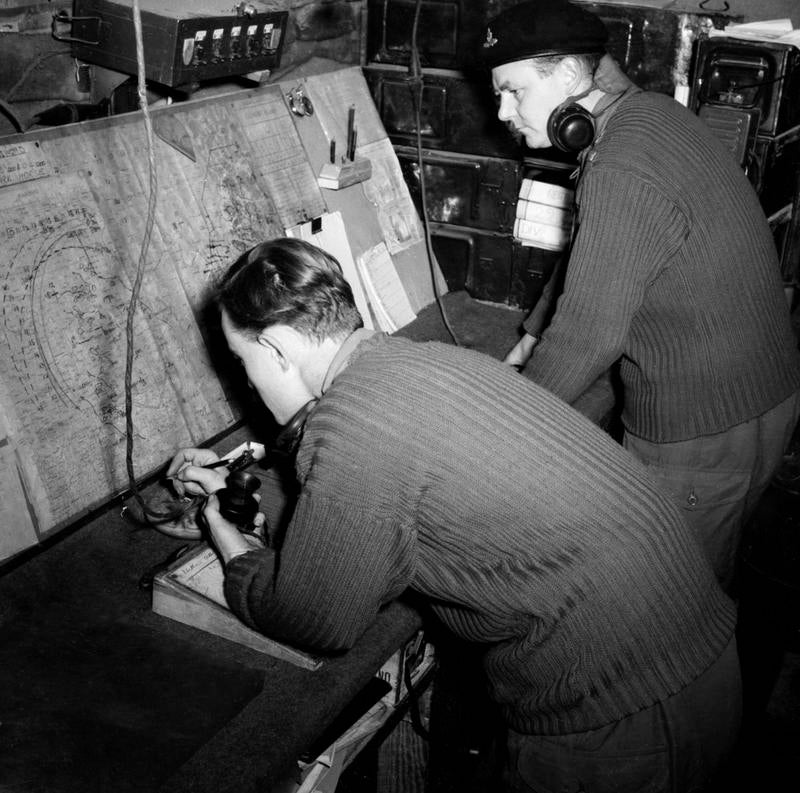
A multinational division lives or dies by communications and supply. Signals units maintained radio and land-line networks from battalion to divisional headquarters. REME workshops recovered and repaired vehicles and weapons. Engineers maintained roads, bridges, bunkers and minefields. Service corps units moved ammunition, fuel and rations up routes vulnerable to shelling.
These were not background functions. A front-line company without ammunition, wire, radio batteries or casualty evacuation ceases to be an effective defensive position.
Armistice and after
The armistice was signed on 27 July 1953. Fighting stopped, but the division's role did not end instantly. Units withdrew behind the new Demilitarized Zone, maintained readiness and helped establish the post-armistice posture.
The Commonwealth contribution continued in Korea after the shooting stopped, although forces were progressively reduced.
Continue exploring
Sources and evidence used
- National Army Museum — Korean War.
- 1st Commonwealth Division operational records and unit war diaries.
- British, Canadian, Australian and New Zealand official campaign histories.
Related Field Notes
CONTINUE THE STORY
More from this campaign
Read it, reference it or wear it — the related pieces are kept together here.
FEATURED DESIGN

Imjin River 1951 T-Shirt — Korean War Heritage
€29,95 EUR
View the design →FIELD NOTES
Get new Field Notes by email
New research, campaign guides and useful references without a daily sales barrage.
