


Sangin, Helmand 2006–10: District Centre, Green Zone & the British Fight — Complete Field Guide
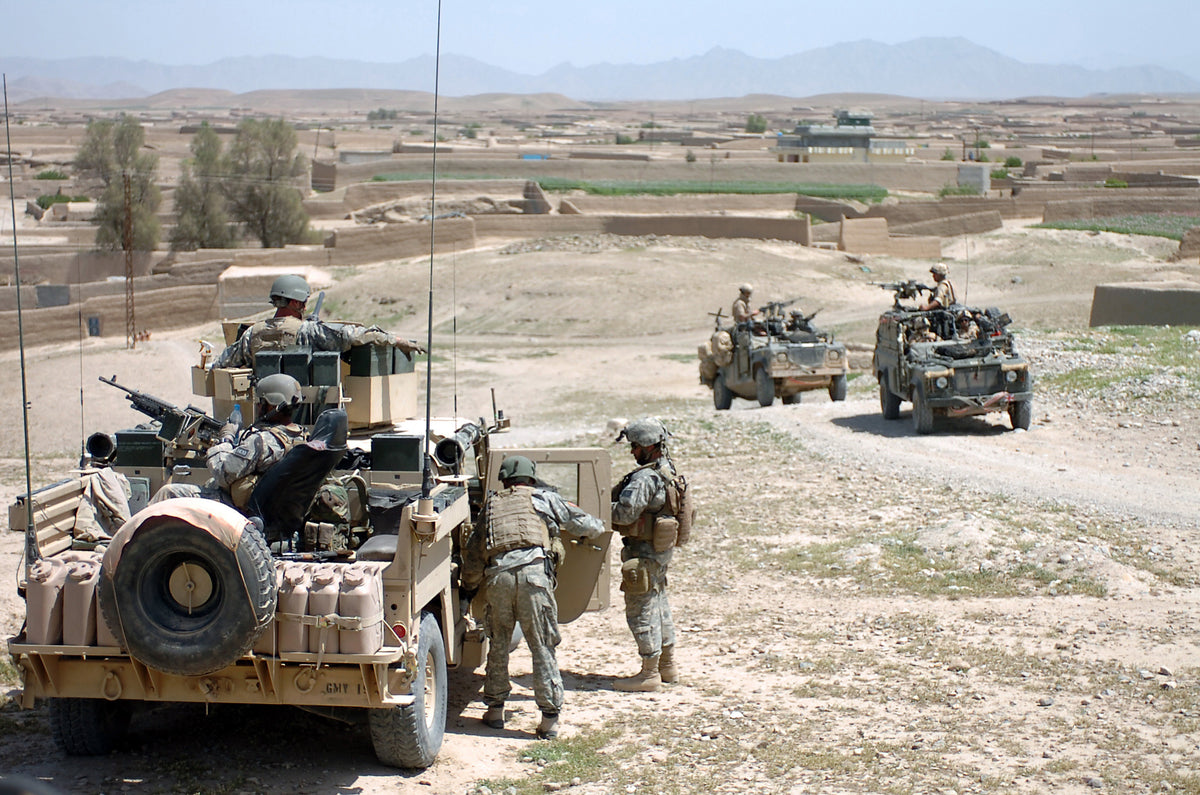
Sangin became one of the hardest names in the British Afghanistan campaign because a small district centre sat inside terrain that favoured insurgents, improvised explosive devices and close fighting.
British troops first deployed into Sangin in strength during 2006. The district sat in Helmand's irrigated Green Zone, where compounds, ditches, vegetation and narrow tracks created a battlefield very different from the open desert a few kilometres away.
For the wider campaign, see Operation HERRICK and Helmand Province.
Why Sangin mattered
Sangin lay on routes linking northern and central Helmand. Control of the district centre had political and military value, but holding the centre did not mean controlling the surrounding countryside.
The Green Zone
Irrigation channels, compounds and dense vegetation created short sight lines and many concealed approaches. Patrols could move only slowly while searching for IED indicators and watching roofs, treelines and compound entrances.
Explore this history
Continue from this Field Note into the closest Gallus campaign and military-history collection.
2006: the district centre
British forces were drawn into a series of 'platoon house' deployments across northern Helmand. Sangin became one of the most pressured positions. Repeated Taliban attacks, indirect fire and resupply difficulties turned the district centre into a defensive battle as well as a base for patrols.
From defence to wider operations
Later tours pushed beyond the district centre, but the tactical problem remained difficult. Insurgents could avoid fixed positions, seed routes with IEDs and return after clearance operations ended.
IEDs and casualty risk
By the later HERRICK years, IEDs shaped movement as much as direct fire. Vallon teams, engineers, search specialists and point men became central to patrol routine. The cost was high in deaths and traumatic injuries.
Combined arms in confined terrain
Infantry relied on mortars, artillery, attack helicopters, fast jets and protected vehicles, but close terrain limited what heavier support could do. The last hundred metres still often belonged to dismounted soldiers.
Transition
British forces transferred responsibility for Sangin to the US Marines in 2010. That handover reflected wider coalition reorganisation rather than a clean end to the fighting.
Continue exploring
Sources and evidence used
- UK Ministry of Defence HERRICK reporting and casualty records.
- British unit war diaries, regimental accounts and oral histories.
- Gallus: Helmand Province field guide for terrain context.
Related Field Notes
FROM THIS CAMPAIGN
Afghanistan

CONTINUE THE STORY
More from this campaign
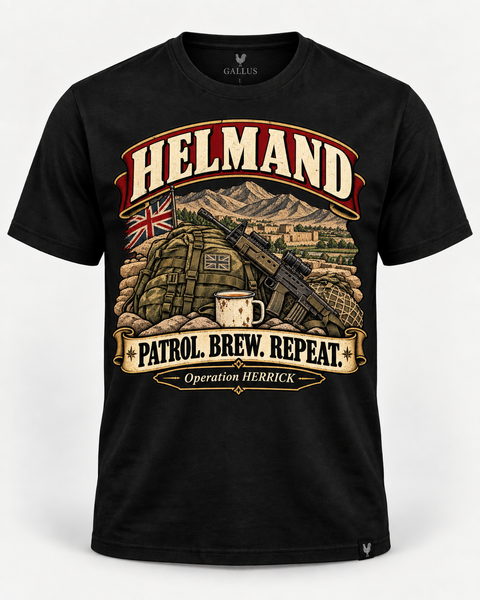
Read it, reference it or wear it — the related pieces are kept together here.
FEATURED DESIGN
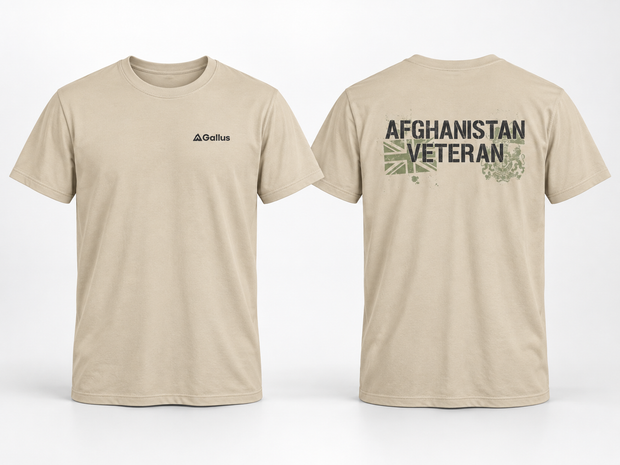
Operation HERRICK Afghanistan T-Shirt — British Campaign
€30,95 EUR
View the design →CAMPAIGN COLLECTION
Afghanistan
Stay with this subject instead of being dropped back into the full catalogue.
Explore the collection →FIELD NOTES
Get new Field Notes by email
New research, campaign guides and useful references without a daily sales barrage.
