


Operation TANGHAM in Somalia: British Army Training, Somali Forces & the Security Transition
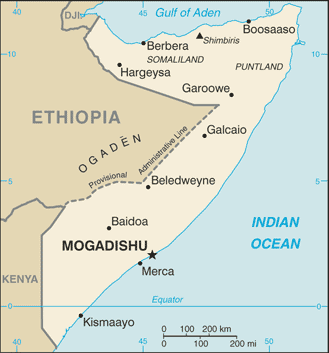
Britain's modern military role in Somalia has centred less on fighting a British campaign than on training Somali forces to conduct their own security operations.
Under Operation TANGHAM, British personnel have trained Somali National Army units in infantry skills, command and control, counter-IED awareness, first aid, communications and the law of armed conflict. That work sits inside a much larger Somali, African Union and international security effort.
From AMISOM to AUSSOM
The African Union Mission in Somalia, AMISOM, operated from 2007 until it was replaced by the African Union Transition Mission in Somalia, ATMIS, in 2022. From 2025, the African Union Support and Stabilisation Mission in Somalia, AUSSOM, succeeded ATMIS.
That sequence matters. Writing about current Somalia as though AMISOM still exists would be historically outdated.
The British training mission
UK military trainers have worked in locations including Baidoa and Mogadishu. Government reporting shows courses for Somali infantry companies, brigade headquarters and specialist functions.
Training has included defensive operations, fieldcraft, command and control, shooting, communications, combat first aid, counter-IED skills, human rights and the law of armed conflict.
Explore this history
Continue from this Field Note into the closest Gallus campaign and military-history collection.
Explore Campaigns & Operations →
Why training is different from direct combat
The British mission is designed to strengthen Somali capacity rather than substitute British units for Somali security forces. That creates a different measure of success: whether trained units can plan, sustain and conduct operations with decreasing external support.
Al-Shabaab
Al-Shabaab remains the principal armed Islamist threat to the Somali government and international forces. It has used insurgent attacks, improvised explosive devices, assassinations and conventional assaults.
Training against such a threat requires more than marksmanship. Command, intelligence, logistics, casualty care and IED awareness determine whether a unit can remain effective after leaving the training area.
Somali ownership
International policy increasingly frames security transition around Somali ownership. That does not mean outside support has ended. AUSSOM, the UN support system and partner states continue to provide major assistance.
The 2025–26 context
AUSSOM began in 2025 and remains authorised through 2026. Funding has been a persistent challenge. The United Kingdom has supported international efforts to secure sustainable financing for the mission while continuing its broader partnership with Somalia.
Continue exploring
Sources and evidence used
- UK Government — British military train Somali Army in Baidoa.
- UK Government — British Army training in Somalia.
- UN Security Council resolutions and reports on ATMIS/AUSSOM.
- United Nations and African Union reporting on the Somali security transition.
Current-status note: mission structures and force levels can change. This Field Note uses the AUSSOM framework current in 2026 rather than older AMISOM terminology.
