


CIMIC in Southern Iraq: Aid, Councils, Reconstruction & the Limits of Stabilisation
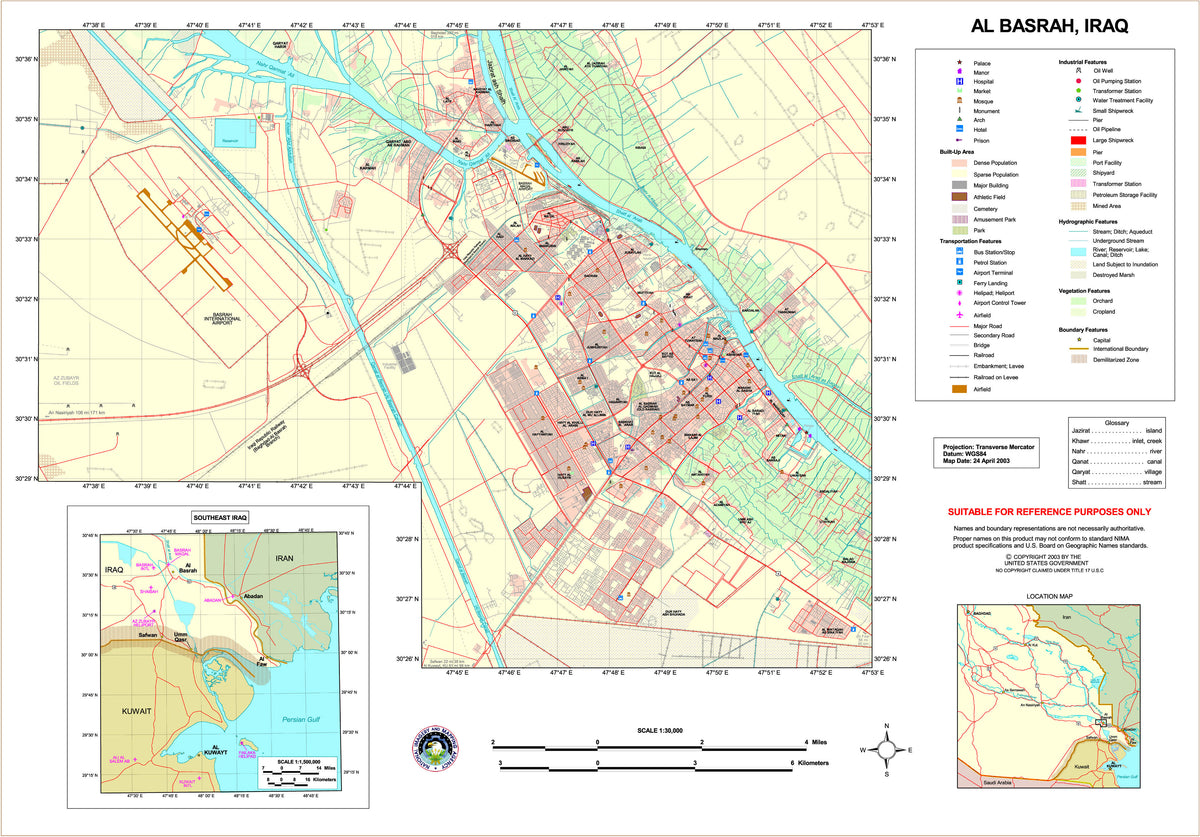
Operation TELIC was fought with rifles and armoured vehicles, but much of the daily work after the invasion involved electricity, water, local councils, schools, hospitals and arguments over who had authority.
Civil-military cooperation—CIMIC—linked military units with local officials, aid organisations, contractors and communities. It was intended to help stabilise areas while Iraqi institutions recovered from war and sanctions.
What CIMIC meant
CIMIC teams assessed local needs, coordinated with civilian agencies, supported infrastructure projects and helped military commanders understand the political and humanitarian effect of operations.
Water, power and services
Southern Iraq's infrastructure was already degraded before 2003. Looting, war damage, poor maintenance and sabotage made restoration difficult. Military engineers and civilian contractors worked on power, water and public buildings, but progress was uneven.
Explore this history
Continue from this Field Note into the closest Gallus campaign and military-history collection.
Local councils
British officers helped establish or support local administrative structures. This created unavoidable political questions: who represented the community, which groups had been excluded under Saddam, and whether military-backed councils possessed genuine legitimacy.
Humanitarian work
British civil-military liaison officers coordinated aid and responded to urgent needs. Such work could improve local conditions, but humanitarian organisations sometimes resisted close association with military forces because neutrality affected their own security and access.
The limits of reconstruction
Security, corruption, political competition and weak institutions repeatedly disrupted projects. Repairing a generator did not automatically create stable governance. Reconstruction could only succeed when local institutions could operate and maintain what had been built.
Why the lesson matters
The Iraq experience showed that stabilisation cannot be treated as a technical task detached from politics. Infrastructure, legitimacy and security interact. A project that is technically sound can still fail if the political system around it cannot sustain it.
Continue exploring
Sources and evidence used
- The Iraq Inquiry reports on reconstruction and post-conflict planning.
- UK Ministry of Defence and Foreign Office reporting from southern Iraq.
- British civil-military liaison and reconstruction records.
Related Field Notes
CONTINUE THE STORY
More from this campaign
Read it, reference it or wear it — the related pieces are kept together here.
FEATURED DESIGN
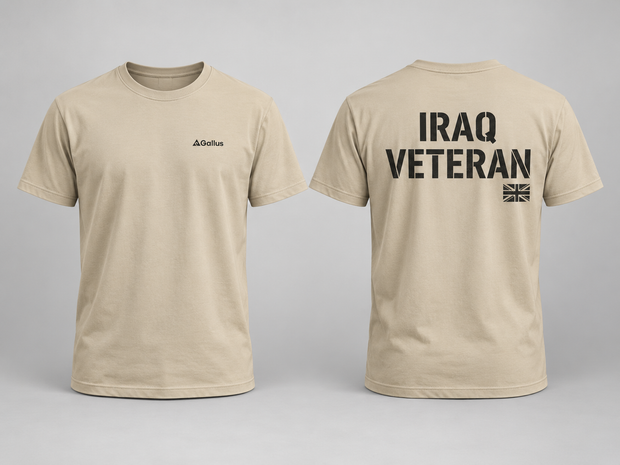
Operation TELIC Iraq T-Shirt — British Army Heritage
€30,95 EUR
View the design →FIELD NOTES
Get new Field Notes by email
New research, campaign guides and useful references without a daily sales barrage.
