


Al Amarah & Maysan 2003–06: Camp Abu Naji, Patrols, IEDs & the British Fight — Complete Field Guide
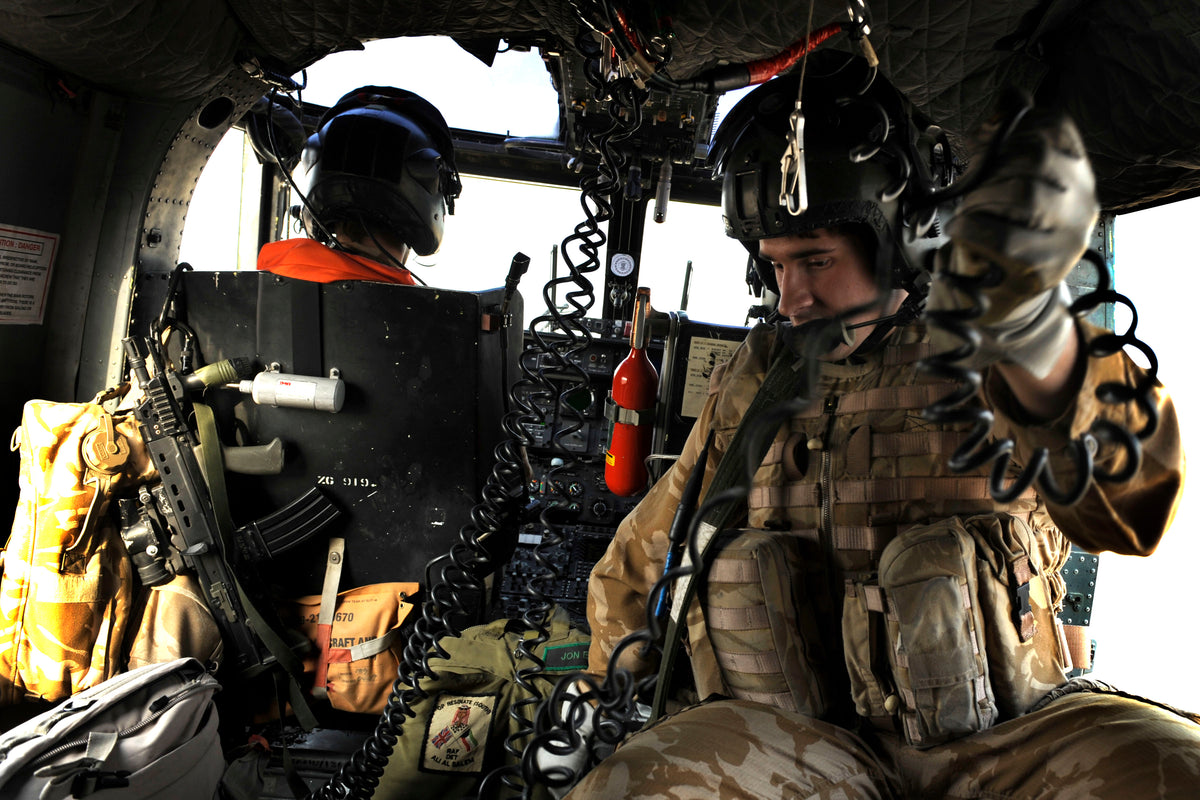
Al Amarah was one of the places where the British experience in Iraq changed from invasion to occupation and then into an increasingly dangerous counter-insurgency.
The city, capital of Maysan Province, fell within the British-led Multi-National Division (South East). British troops operated from Camp Abu Naji and other positions, patrolling a province where political factions, militias, criminal networks and insurgent groups overlapped.
For the wider campaign, see Operation TELIC 2003–2011.
Why Maysan mattered
Maysan bordered Iran and included important routes, marsh areas and the provincial capital of Al Amarah. After the fall of Saddam Hussein's regime, British forces had to move quickly from defeating organised Iraqi units to maintaining security and supporting a new political order.
Camp Abu Naji
Camp Abu Naji became the principal British base near Al Amarah. From there, infantry and supporting arms mounted patrols, guarded routes and reacted to attacks. The base itself was regularly targeted by mortars and rockets.
Explore this history
Continue from this Field Note into the closest Gallus campaign and military-history collection.
The insurgency develops
By 2004, British patrols faced increasingly organised attacks using small arms, rocket-propelled grenades, mortars and improvised explosive devices. Militia politics in southern Iraq made it difficult to separate criminality, local power struggles and insurgent violence into neat categories.
Patrolling the city
Urban patrols combined foot, Warrior and other protected vehicle movement. The problem was not simply enemy contact. Troops had to operate among civilians, local police, political demonstrations and armed groups while trying to keep routes open and maintain contact with local authorities.
IED threat
IEDs changed the rhythm of operations. Route selection, search, electronic countermeasures, spacing and recovery drills became central to movement. The threat also drove changes in vehicle protection and tactics across TELIC.
Camp Abu Naji closes
British forces withdrew from Camp Abu Naji in 2006 as part of a wider move toward handing security responsibility to Iraqi forces. The closure did not mean Maysan had become peaceful; it reflected the transition of the British role.
Continue exploring
Sources and evidence used
- National Army Museum — Al Amarah, 2003.
- UK Ministry of Defence Operation TELIC reporting and casualty records.
- Iraq Inquiry material on British strategy in southern Iraq.
Related Field Notes
CONTINUE THE STORY
More from this campaign
Read it, reference it or wear it — the related pieces are kept together here.
FEATURED DESIGN
Operation TELIC Iraq T-Shirt — British Army Heritage
€30,95 EUR
View the design →FIELD NOTES
Get new Field Notes by email
New research, campaign guides and useful references without a daily sales barrage.
