


When Is Remembrance Day 2026? 11 November, Remembrance Sunday & the Two-Minute Silence
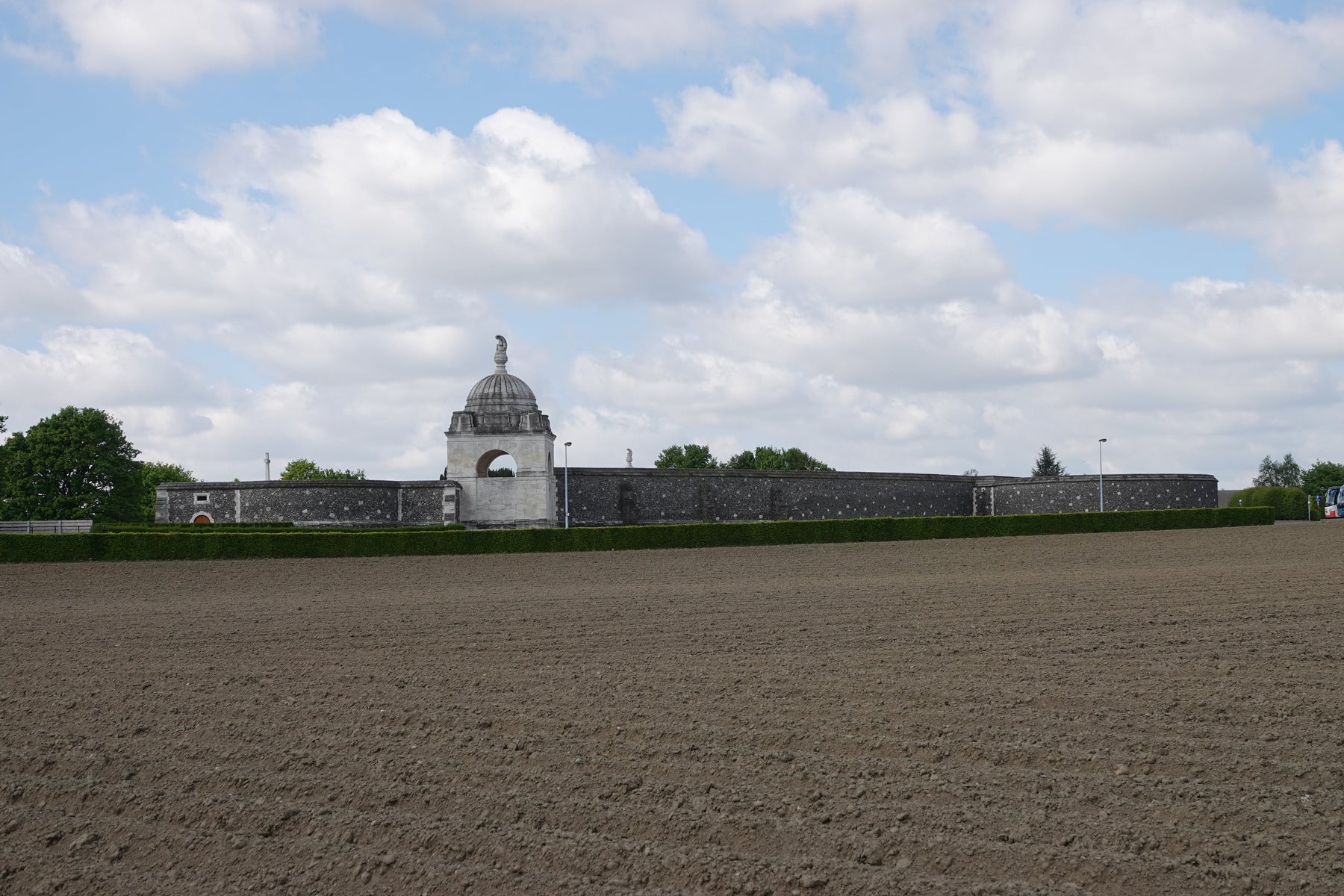
Remembrance Day 2026 falls on Wednesday 11 November. In the UK, the two-minute silence is observed at 11am. Remembrance Sunday in 2026 is Sunday 8 November.
The two dates are related but they are not the same thing. Armistice Day remains fixed on 11 November. Remembrance Sunday is observed on the second Sunday in November and is the date of many national and local services and parades.
When is Remembrance Day 2026?
Wednesday 11 November 2026, at 11am. The Royal British Legion states that Armistice Day is marked each year with a two-minute silence at 11am on 11 November.
When is Remembrance Sunday 2026?
Sunday 8 November 2026. The Royal British Legion’s 2026 Poppy Appeal dates place the March Past the Cenotaph on 8 November, and Legion branches list Remembrance Sunday on that date.
Why is the silence at 11am?
The Armistice ending the fighting between the Allies and Germany came into effect at the eleventh hour of the eleventh day of the eleventh month in 1918. The silence deliberately returns to that moment.
The first anniversary was marked in 1919 with a two-minute silence. The act has endured because it requires very little ceremony: stop, be quiet and remember.
What is the difference between Armistice Day and Remembrance Sunday?
Armistice Day is always 11 November. It is tied directly to the end of fighting on the Western Front in 1918.
Remembrance Sunday is the second Sunday in November. It is the principal Sunday of national and local remembrance services in the UK and commemorates those who served and died across the World Wars and later conflicts.
What does Remembrance Day commemorate?
Its origins lie in the First World War, but modern British remembrance extends beyond 1914–18. It encompasses service and sacrifice in the Second World War and conflicts since, as well as the continuing effect of service on families and communities.
That wider meaning is one reason I do not think remembrance should be treated as historical decoration. The history matters, but so do the people who lived it and the families who still carry it.
Why do people wear a poppy?
The poppy became associated with remembrance after the First World War, drawing on the flowers that grew across disturbed ground on the Western Front and the cultural influence of John McCrae’s poem In Flanders Fields. The Royal British Legion’s Poppy Appeal began in the early post-war period and remains one of the most visible British acts of remembrance.
Read the Gallus guide to Flanders poppies and remembrance →
Remembrance is not only one day
11 November and Remembrance Sunday create a shared national moment, but the names on a memorial exist for the other 363 days as well. For Gallus, remembrance pages are deliberately kept separate from product promotion. If a page is about somebody who died, the person comes before the brand.
Continue the remembrance archive
- Flanders poppies and First World War remembrance
- VE Day, memory and remembrance
- First World War research hub
