


Operation HERRICK: Dates, Helmand, British Forces & Afghanistan
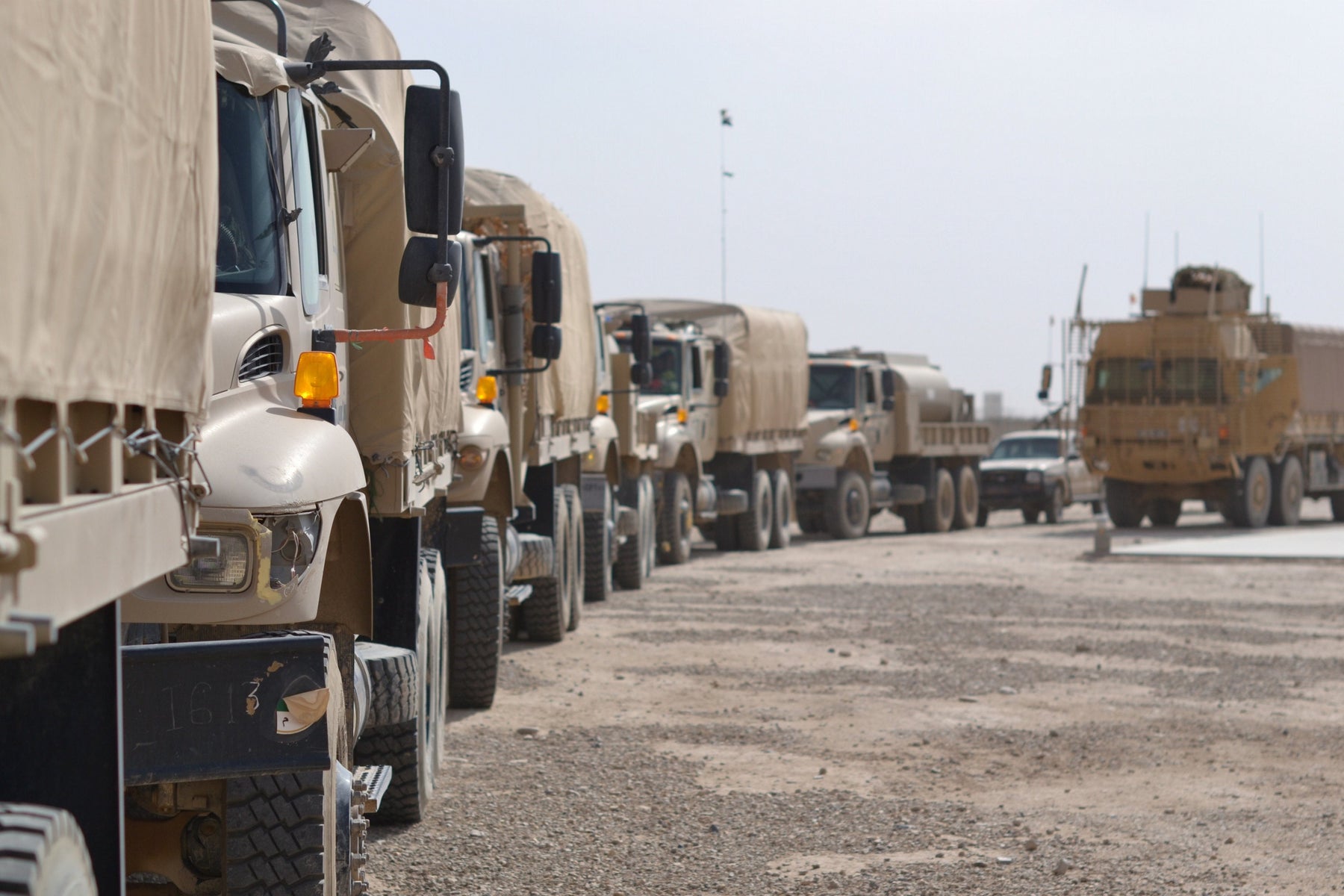
Operation HERRICK was the name used for Britain’s long Afghanistan deployment before the post-2014 Operation TORAL mission. It became especially associated with the British campaign in Helmand Province from 2006, although official Ministry of Defence sources use more than one convention for its exact start date.

Operation HERRICK at a glance
- Country: Afghanistan
- British operation: Operation HERRICK
- Broad MOD overview convention: UK Afghanistan operations under the HERRICK name from 2003 to the end of 2014
- Formal statistical deployment convention: 1 April 2006 to 30 November 2014
- Main British combat area from 2006: Helmand Province
- Operation after HERRICK: Operation TORAL
Why do sources give different HERRICK dates?
This is the first thing worth getting right. A general Ministry of Defence Afghanistan overview says UK operations were conducted under the HERRICK name between 2003 and the end of 2014. Formal MOD injury and operational statistics, however, define Operation HERRICK as 1 April 2006 to 30 November 2014.
Both are official sources using the name for slightly different administrative purposes. Gallus therefore states the convention being used instead of pretending there is only one uncontested date range.
What happened before 2006?
British forces had operated in Afghanistan since the intervention that followed the 11 September 2001 attacks. Early deployments included Kabul and other areas under a changing combination of the NATO-led International Security Assistance Force and the US-led Operation Enduring Freedom framework.
The campaign changed dramatically when Britain took responsibility for a major role in Helmand in 2006.
Why did Helmand define HERRICK?
Helmand combined difficult terrain, dispersed settlements, an insurgency, the opium economy and limited Afghan state reach. British forces operated around places including Lashkar Gah, Sangin and Musa Qalah, with the Helmand River and irrigated Green Zone shaping movement and observation.
Small bases and platoon houses pushed British units into close contact with local communities and Taliban forces. The IED threat later became one of the defining tactical problems of the campaign.
What was Musa Qalah?
Musa Qalah was one of the most fought-over districts in northern Helmand. British forces defended the district centre in 2006, withdrew after an Afghan-brokered local agreement, supported the Afghan-led recapture in December 2007 and remained active in the district afterwards.
Read the complete Musa Qalah story — 2006 siege, agreement, 2007 battle and later HERRICK service →
For the wider terrain and lived-experience context, continue to the Helmand Province field guide.
When did HERRICK end?
MOD operational statistics close HERRICK on 30 November 2014. Other MOD guidance described the final combat phase as ending at the end of December 2014. British combat forces had already left Helmand in October. The post-combat UK mission began under Operation TORAL from 1 December 2014 in the formal deployment convention.
How many British personnel died?
Modern MOD operational statistics record 449 fatalities within Operation HERRICK when using the formal 1 April 2006 to 30 November 2014 definition. The wider British Afghanistan campaign from October 2001 produced a higher total because it includes deaths outside that statistical HERRICK window.
Go deeper
- Operation HERRICK research hub
- Complete British Afghanistan campaign guide
- Musa Qalah — 2006 siege, 2007 battle and British HERRICK story
- Helmand Province — Musa Qalah, Sangin and the ground
- Vallon patrols and the IED-search environment
