


Patrol Bases & FOBs in Helmand: How British Troops Lived, Fought & Supplied the HERRICK Front
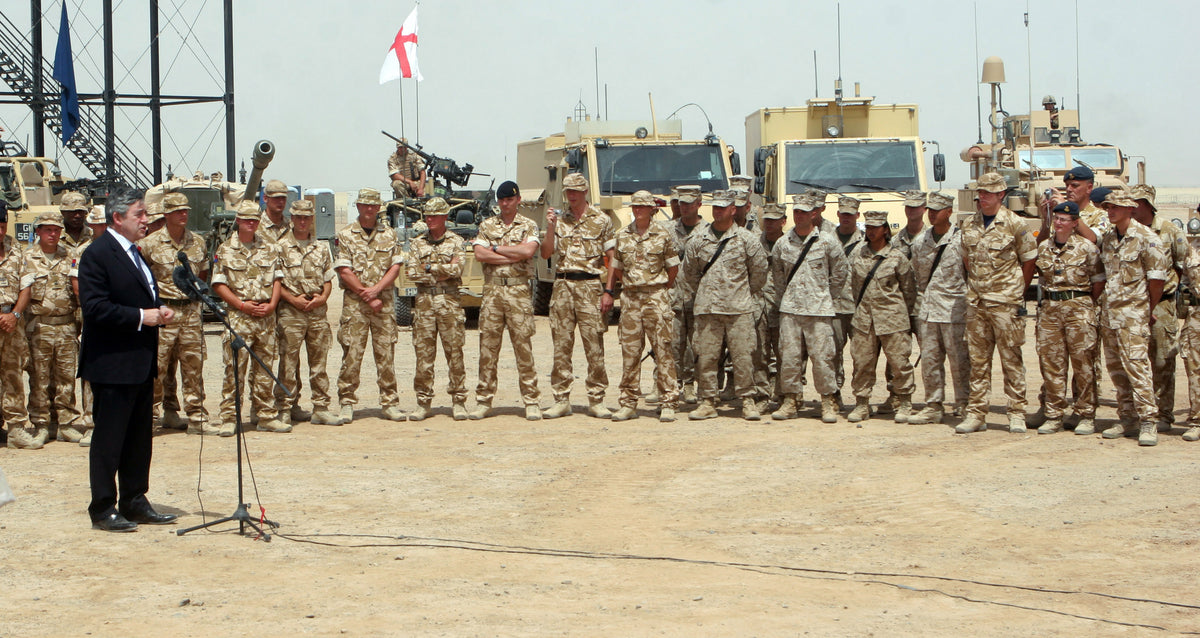
Operation HERRICK was experienced by many soldiers through a chain of small bases rather than one large battlefield.
Patrol bases, forward operating bases and checkpoints placed troops close to communities and routes. They also created isolated positions that had to be defended, supplied and connected every day.
What the names meant
A forward operating base was generally larger and more capable than a patrol base, but the terminology varied by period and unit. Some positions grew over time; others were deliberately temporary.
Protection
Hesco barriers, sangars, blast walls, wire and fighting positions turned compounds into defensible posts. Protection had to balance security with the need to see and engage with the surrounding area.
Daily routine
Life revolved around stand-to, patrols, sentry, maintenance, radio watch, briefings, resupply and sleep. Heat, dust, flies and cramped accommodation were constant factors.
Explore this history
Continue from this Field Note into the closest Gallus campaign and military-history collection.
Water and ammunition
Small bases consumed large amounts of bottled water, batteries, ammunition, medical supplies and vehicle parts. Resupply by road exposed convoys to IEDs; helicopter resupply reduced road risk but depended on aircraft availability and weather.
Medical planning
Every patrol needed a casualty plan: first aid, extraction, landing site, communications and the route to higher medical care. The base network therefore tied directly into the CASEVAC system.
Communications
Radios connected isolated positions to company and battlegroup headquarters, artillery, aviation and medical support. A base without reliable communications was tactically far more vulnerable.
Transition and closure
As Afghan forces took greater responsibility, British patrol bases were handed over or closed. Reducing the footprint was both a military and political process.
Continue exploring
Sources and evidence used
- UK Ministry of Defence HERRICK reporting, including patrol-base handovers.
- Unit diaries and veterans' accounts from Helmand.
- British Army doctrine on force protection, logistics and communications.
Related Field Notes
FROM THIS CAMPAIGN
Afghanistan

CONTINUE THE STORY
More from this campaign
Read it, reference it or wear it — the related pieces are kept together here.
FEATURED DESIGN
Operation HERRICK Afghanistan T-Shirt — British Campaign
€30,95 EUR
View the design →CAMPAIGN COLLECTION
Afghanistan
Stay with this subject instead of being dropped back into the full catalogue.
Explore the collection →FIELD NOTES
Get new Field Notes by email
New research, campaign guides and useful references without a daily sales barrage.
