


CASEVAC in Afghanistan: MERT, Chinooks & the British Medical Chain on Operation HERRICK
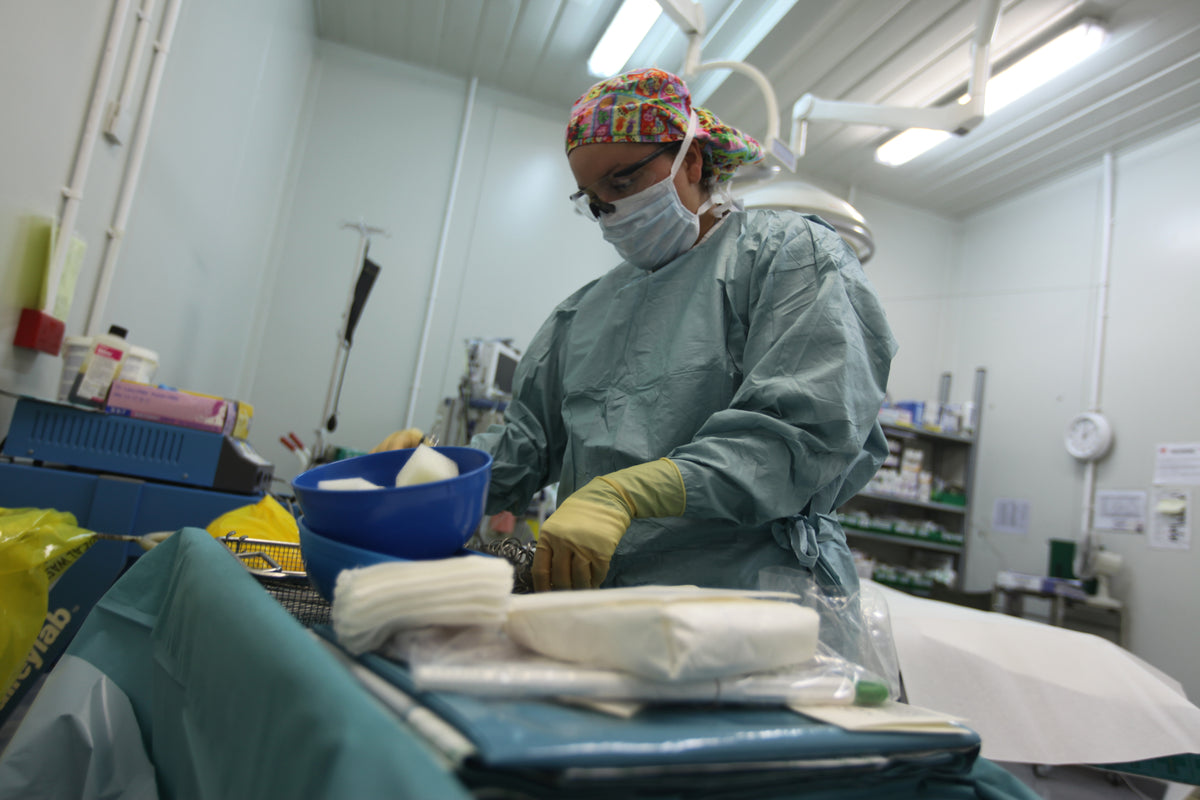
The speed of British battlefield medical care in Afghanistan depended on a chain: treatment at the point of wounding, extraction from the contact, helicopter evacuation and surgery at the field hospital.
The Medical Emergency Response Team, usually associated with Chinook helicopters, became one of the best-known parts of that system.
Point of wounding
Immediate care began with the casualty's comrades and trained medics. Control of catastrophic bleeding, airway management and rapid reporting were critical before an aircraft ever launched.
The nine-liner and landing site
Units passed casualty details and landing-site information through the radio chain. The extraction point had to be secured and marked while the tactical situation was still developing.
MERT
The MERT placed advanced medical capability aboard a helicopter so resuscitation could begin during flight. Team composition varied by mission and period, but could include emergency medicine and anaesthetic specialists alongside medics.
Explore this history
Continue from this Field Note into the closest Gallus campaign and military-history collection.
Chinook
The Chinook combined speed, lift and space for medical staff and equipment. It could also require escort or careful routing in high-threat areas.
Camp Bastion hospital
Role 3 medical facilities at Camp Bastion provided surgery, imaging, intensive care and trauma teams. From there, seriously wounded British personnel could be evacuated onward through the strategic medical system.
Why survival improved
Survival reflected more than one helicopter team. Better body armour, tourniquets, pre-hospital care, rapid evacuation, blood products, surgery and rehabilitation all formed part of the chain.
The limits
Not every casualty could be saved. Terrain, weather, enemy fire and injury severity imposed hard limits. Celebrating medical capability should not erase the deaths or the long-term consequences of catastrophic injury.
Continue exploring
Sources and evidence used
- UK Ministry of Defence medical reporting from Operation HERRICK.
- Royal Air Force and Defence Medical Services histories of MERT and aeromedical evacuation.
- Peer-reviewed military trauma studies from Afghanistan.
Remembrance note: this page is not used as a product funnel.
Related Field Notes
FROM THIS CAMPAIGN
Afghanistan

CONTINUE THE STORY
More from this campaign
Read it, reference it or wear it — the related pieces are kept together here.
CAMPAIGN COLLECTION
Afghanistan
Stay with this subject instead of being dropped back into the full catalogue.
Explore the collection →FIELD NOTES
Get new Field Notes by email
New research, campaign guides and useful references without a daily sales barrage.
