


Burma Campaign 1942–45: Retreat, Chindits, Kohima, Imphal & Fourteenth Army — Complete Field Guide

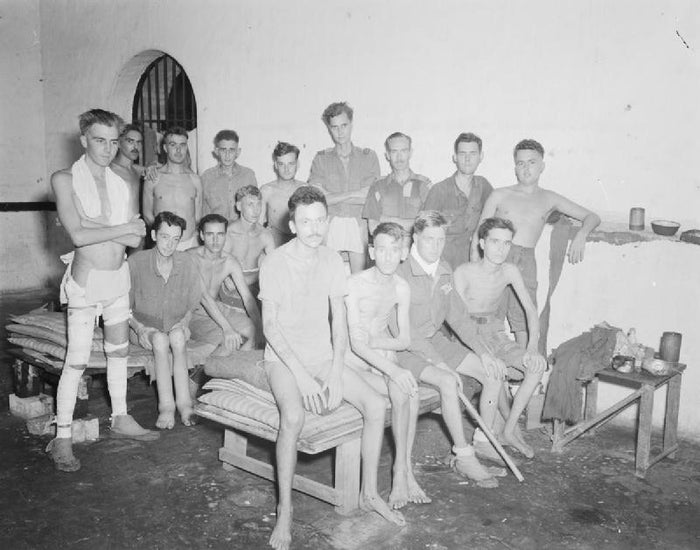
Burma began with one of the longest retreats in British military history and ended with Fourteenth Army advancing back to Rangoon.
The campaign involved British, Indian, African, Gurkha, Burmese, Chinese and American forces across some of the most demanding terrain of the Second World War.
1942: retreat
Japanese forces invaded Burma after their successes in Malaya. British Imperial forces withdrew toward India through heat, jungle, monsoon and collapsing communications.
Learning jungle warfare
Early Allied formations were often poorly prepared for Japanese infiltration tactics and jungle movement. Training, organisation and medical systems changed substantially over the next two years.
Chindits
Orde Wingate's long-range penetration groups operated behind Japanese lines in 1943 and 1944. Air supply allowed deep operations, but casualties from combat, disease and exhaustion were severe.
Explore this history
Continue from this Field Note into the closest Gallus campaign and military-history collection.
Imphal and Kohima
Japan's 1944 U-Go offensive into India culminated in defeat at Imphal and Kohima. Gallus already covers those battles in a dedicated guide. Air supply and increasingly effective Allied infantry tactics helped turn the Japanese advance into a disaster.
Slim and Fourteenth Army
General William Slim's Fourteenth Army emphasised realistic training, morale, logistics and the ability of surrounded units to hold while supplied from the air. Those methods shaped the 1944–45 advance.
Meiktila and Mandalay
In 1945, mobile operations across central Burma captured Meiktila and Mandalay, disrupting Japanese communications and opening the route south.
Rangoon
Allied forces captured Rangoon in May 1945 before the monsoon fully closed the campaign season.
Continue exploring
Sources and evidence used
- National Army Museum — Burma and the Army timeline.
- British and Indian official histories of the Burma campaign.
Related Field Notes
FROM THIS CAMPAIGN
World War 2


CONTINUE THE STORY
More from this campaign
Read it, reference it or wear it — the related pieces are kept together here.
FEATURED DESIGN
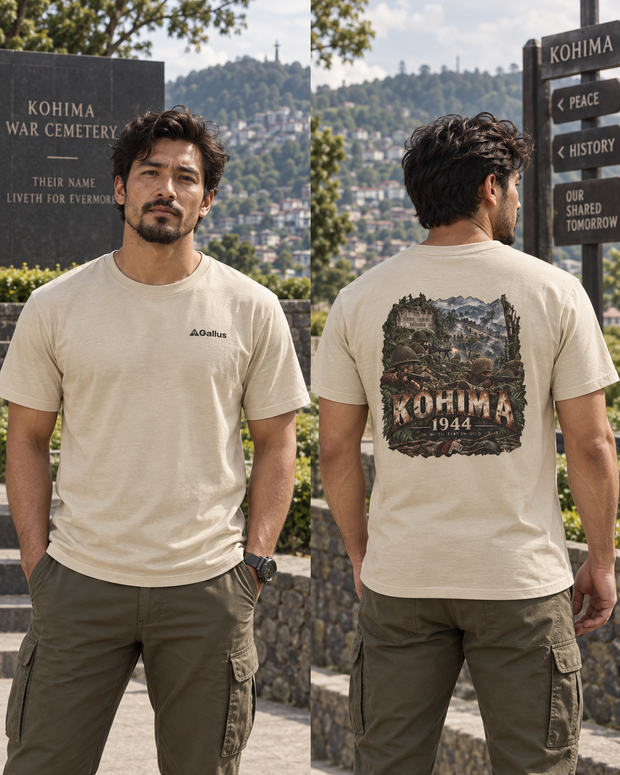
Kohima 1944 T-Shirt — WW2 Burma Campaign
€30,95 EUR
View the design →CAMPAIGN COLLECTION
World War 2
Stay with this subject instead of being dropped back into the full catalogue.
Explore the collection →FIELD NOTES
Get new Field Notes by email
New research, campaign guides and useful references without a daily sales barrage.
