


Bowman in Afghanistan: Radios, Command Posts & the Communications Battle in Helmand
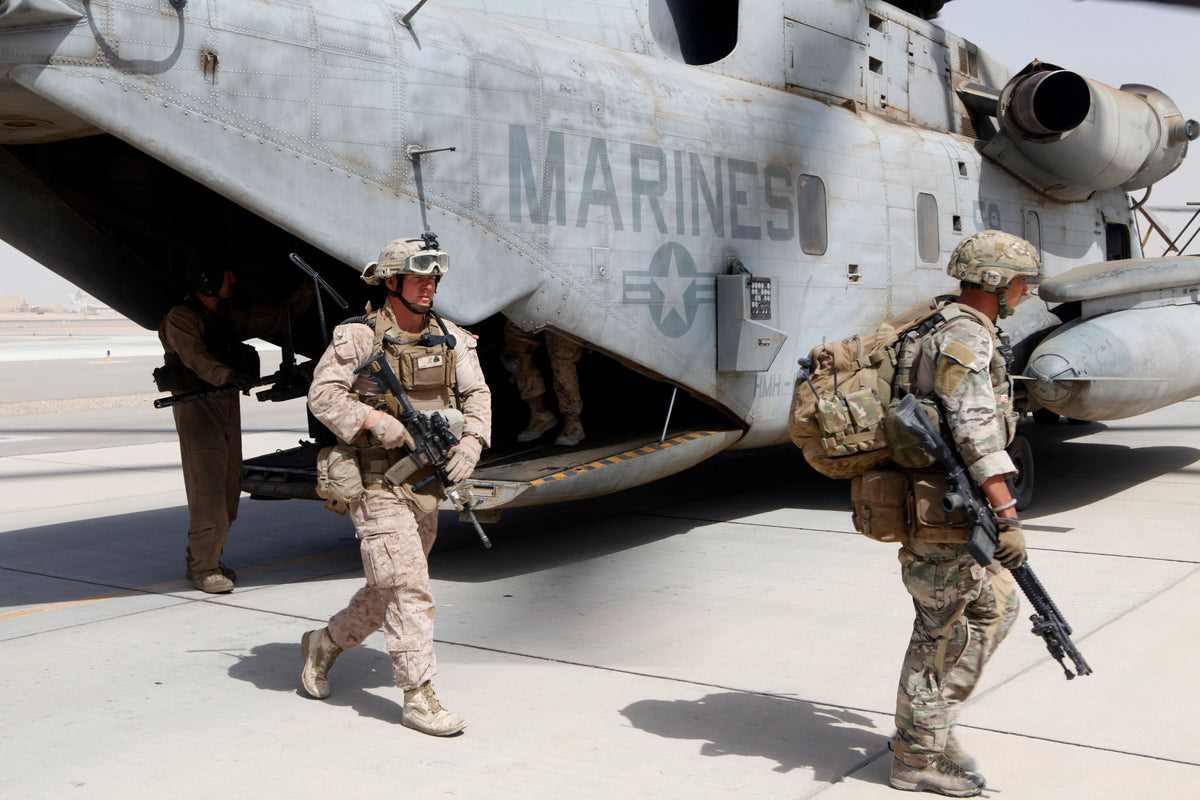
A patrol could have the best weapons and vehicles in Helmand and still be in serious trouble if it could not talk to the base, artillery, aircraft or medical chain.
Bowman was the British Armed Forces' tactical communications system during Operation HERRICK. Its radios and data networks sat behind a huge amount of routine battlefield activity.
What Bowman did
Bowman replaced the older Clansman family and provided secure voice and data across vehicle, manpack and headquarters systems. Different radios served different ranges and roles.
Terrain and range
Helmand's mixture of flat desert, compounds, vegetation and built-up areas created changing radio conditions. Antenna position, power, relay sites and terrain masking mattered.
The command post
Operations rooms monitored patrols, contacts, casualty reports, intelligence and supporting assets. Radio operators turned dozens of separate transmissions into a coherent picture.
Explore this history
Continue from this Field Note into the closest Gallus campaign and military-history collection.
Fire support
Requests for mortars, artillery or air support depended on accurate communications, identification and coordination. A broken net could delay effects when seconds mattered.
CASEVAC
Medical evacuation also depended on communications. Patrols had to transmit casualty details, location, threat and landing-site information through the chain.
Interoperability
British units worked alongside Afghan, American and other coalition forces using different equipment and procedures. Liaison and gateway systems were therefore as important as the radio set itself.
Human factors
Communications systems are only as good as the operators. Battery management, crypto discipline, logging, antenna siting and clear voice procedure are mundane until they fail.
Continue exploring
Sources and evidence used
- British Army communications doctrine and Bowman programme material.
- UK Ministry of Defence reporting from Helmand command posts and operations centres.
- Operational accounts from HERRICK signallers and infantry radio operators.
Related Field Notes
FROM THIS CAMPAIGN
Afghanistan

CONTINUE THE STORY
More from this campaign
Read it, reference it or wear it — the related pieces are kept together here.
FEATURED DESIGN
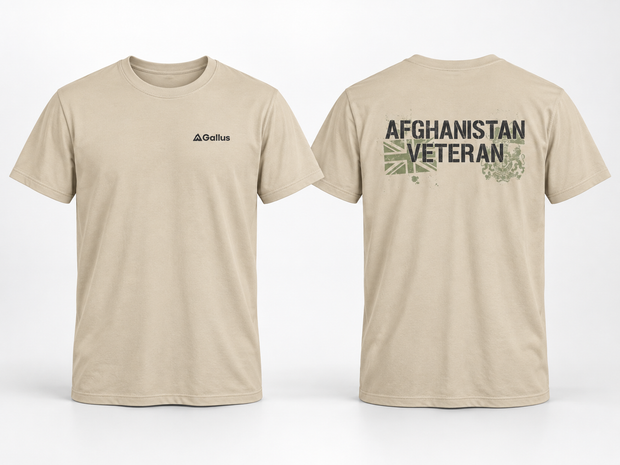
Operation HERRICK Afghanistan T-Shirt — British Campaign
€30,95 EUR
View the design →CAMPAIGN COLLECTION
Afghanistan
Stay with this subject instead of being dropped back into the full catalogue.
Explore the collection →FIELD NOTES
Get new Field Notes by email
New research, campaign guides and useful references without a daily sales barrage.
