


From Partnering to Afghan Lead: ANA, Police & the Security Transition in Helmand
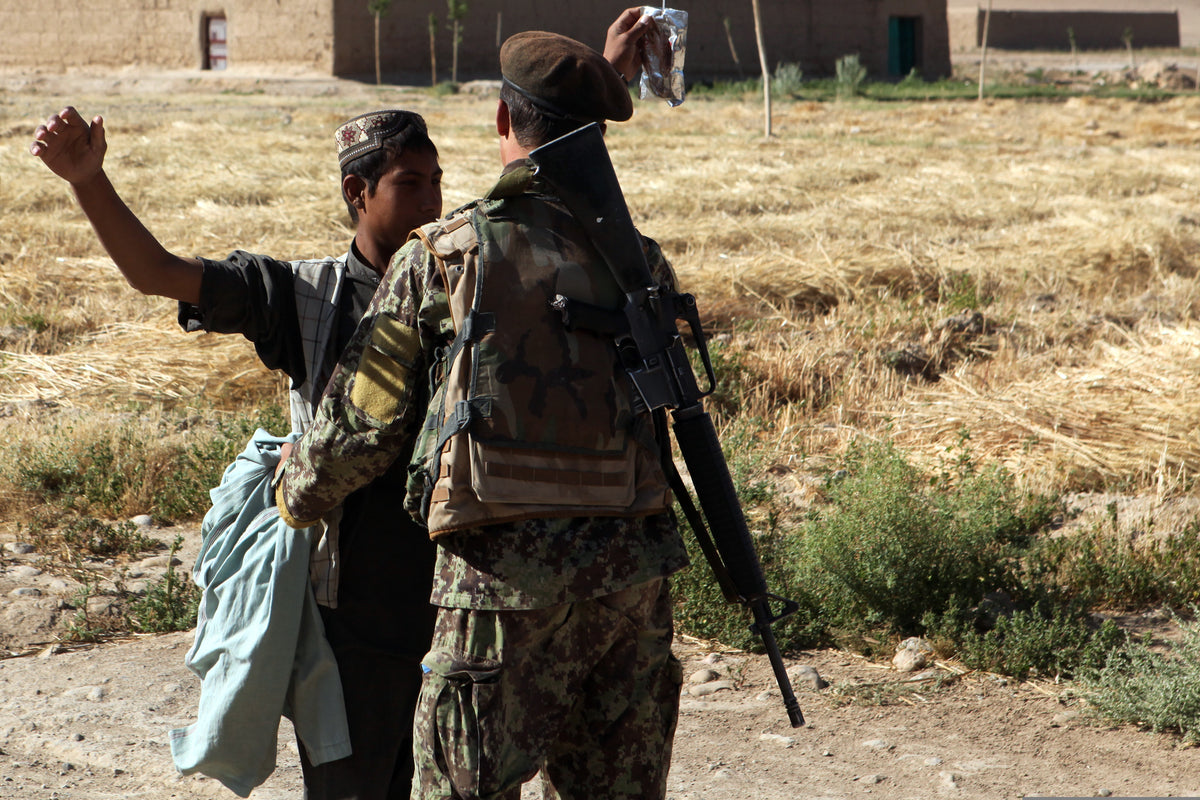
The later years of Operation HERRICK changed the British task from doing more of the fighting to helping Afghan forces plan, lead and sustain operations themselves.
The transition involved the Afghan National Army, Afghan police organisations and British advisory teams. It was never simply a handover ceremony at a base gate.
Partnering
Earlier in the campaign, British and Afghan units often patrolled and fought alongside each other. British teams helped with planning, fire support, logistics and command.
Mentoring and advising
As transition progressed, the model shifted toward smaller advisory teams. Officers and NCOs worked with Afghan headquarters and units on planning, operations, administration and training.
ANA brigades in Helmand
Afghan formations such as 3/215 Brigade increasingly planned and led major operations. MOD reporting from 2010 onward records operations in which Afghan staffs developed plans with British mentors providing support rather than command.
Explore this history
Continue from this Field Note into the closest Gallus campaign and military-history collection.
Police
Police mentoring posed different challenges from army training. Checkpoints, local intelligence, law enforcement and relations with communities were central to the role.
Handover of bases
Patrol bases and checkpoints were transferred to Afghan control as local forces took the lead. British troops then concentrated more heavily on advising and enabling rather than holding every position themselves.
Capability versus sustainability
A unit can fight well in one operation and still depend on outside support for logistics, air power, intelligence or maintenance. Transition therefore had to be judged across systems, not just infantry performance.
After 2014
Operation HERRICK ended in 2014 and the UK shifted to Operation TORAL as part of NATO's training mission. The Afghan republic ultimately collapsed in 2021. That outcome raises serious questions about the durability of the security institutions built during the intervention, but it should not be read backwards as proof that every Afghan unit or mentoring effort was ineffective at the time.
Continue exploring
Sources and evidence used
- UK Ministry of Defence reporting on Afghan-led operations and advisory groups.
- British Army doctrine on security-force assistance.
- NATO/ISAF transition documentation.
Related Field Notes
FROM THIS CAMPAIGN
Afghanistan

CONTINUE THE STORY
More from this campaign
Read it, reference it or wear it — the related pieces are kept together here.
FEATURED DESIGN
Operation HERRICK Afghanistan T-Shirt — British Campaign
€30,95 EUR
View the design →CAMPAIGN COLLECTION
Afghanistan
Stay with this subject instead of being dropped back into the full catalogue.
Explore the collection →FIELD NOTES
Get new Field Notes by email
New research, campaign guides and useful references without a daily sales barrage.
