


Operation Goodwood 1944: British Armour, Caen & the Battle East of the Orne — Complete Field Guide
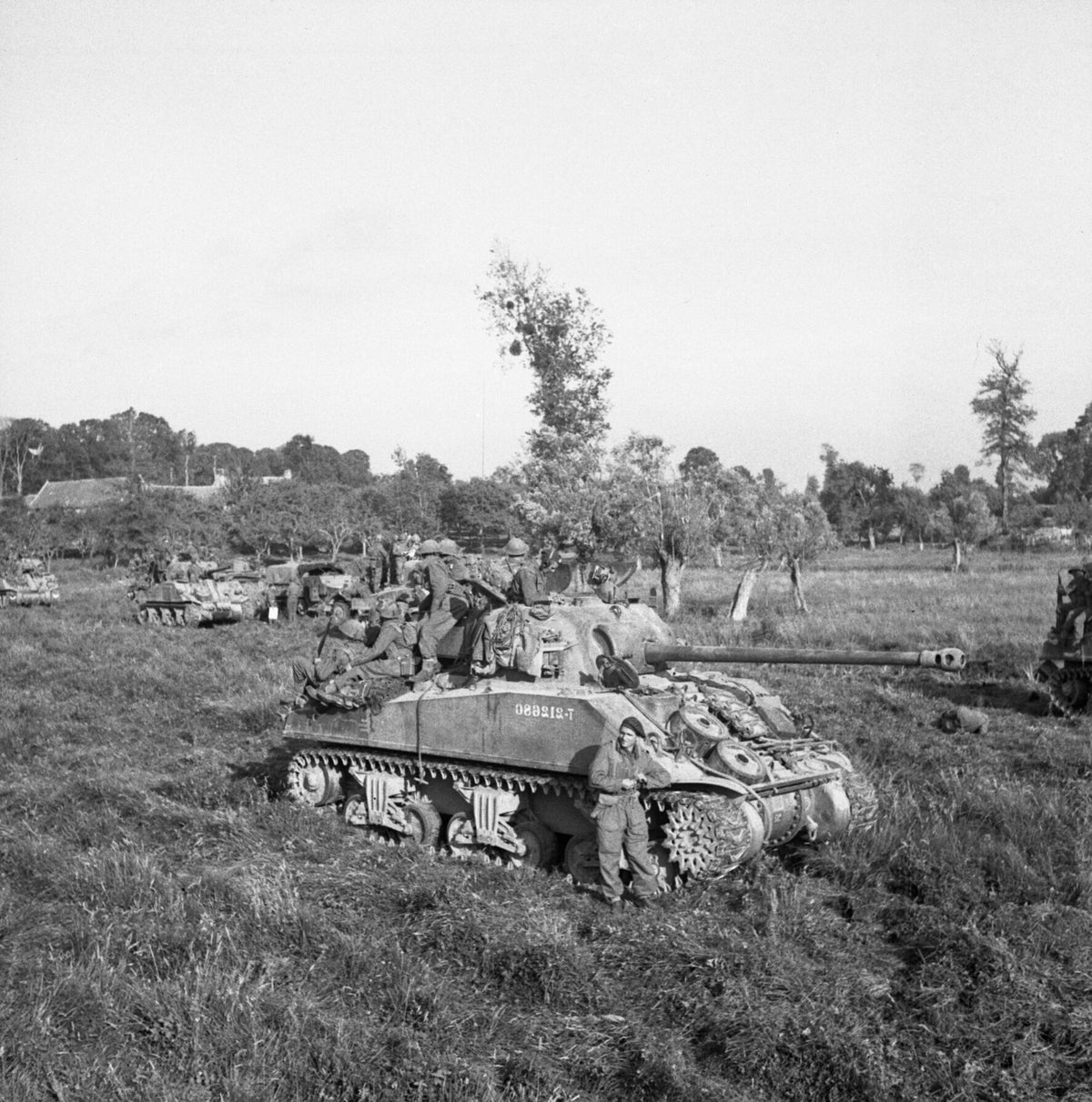
Operation Goodwood was one of the largest British armoured attacks of the Normandy campaign and remains one of the most debated.
Launched on 18 July 1944 east of the Orne, Goodwood aimed to break German positions south-east of Caen, draw armour onto the British front and improve the Allied position around the city.
The battlefield
Open-looking ground south of Caen concealed villages, railway embankments, anti-tank positions and ridges that channelled armoured movement. German guns and tanks could engage across long fields of fire.
The opening bombardment
Thousands of Allied aircraft struck German positions before the advance. The bombardment caused severe disruption but did not destroy every anti-tank gun or dug-in position.
The armoured advance
Three British armoured divisions crossed narrow bridgeheads over the Orne and moved south. Congestion delayed the start and compressed large numbers of vehicles onto limited routes.
Explore this history
Continue from this Field Note into the closest Gallus campaign and military-history collection.
Explore D-Day & Normandy 1944 →
German defence
German armour and anti-tank guns recovered from the bombing and fought from villages, ridges and reverse slopes. British tank losses became heavy as formations moved beyond close infantry and artillery support.
What Goodwood achieved
The operation gained ground and held German armoured forces on the eastern side of the Allied lodgement. It did not produce the dramatic breakout some expectations implied. Historians continue to debate how Montgomery described the intended scale of the operation before and after the battle.
Why it mattered
Goodwood should be understood alongside American preparations for Operation Cobra. Allied pressure on different sectors forced Germany to defend a broad front and contributed to the conditions for the later breakout.
Continue exploring
Sources and evidence used
- British official history of the Normandy campaign.
- National Army Museum — Battle of Normandy.
- War diaries of participating armoured divisions.
Related Field Notes
FROM THIS CAMPAIGN
D-Day & Normandy 1944
CONTINUE THE STORY
More from this campaign
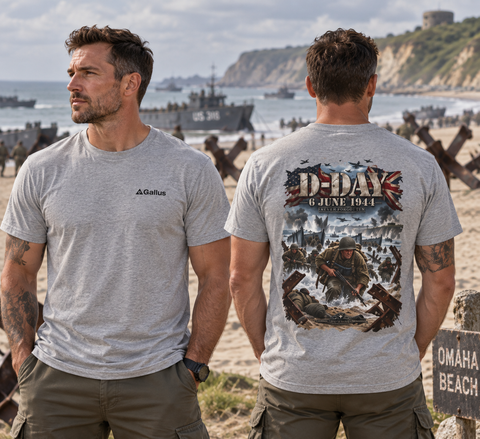
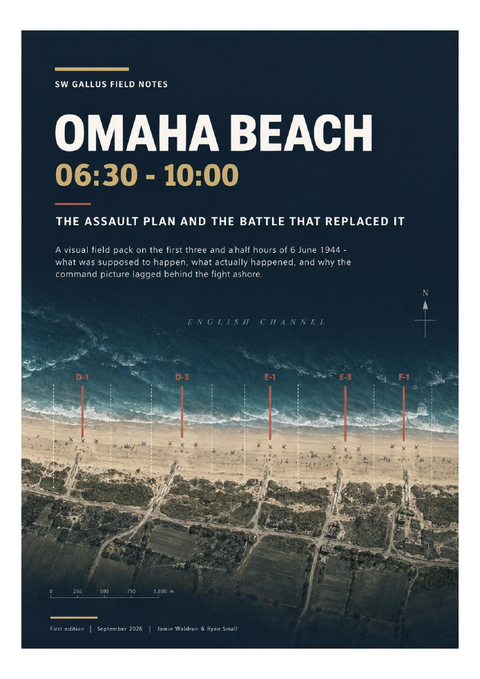
Read it, reference it or wear it — the related pieces are kept together here.
FEATURED DESIGN
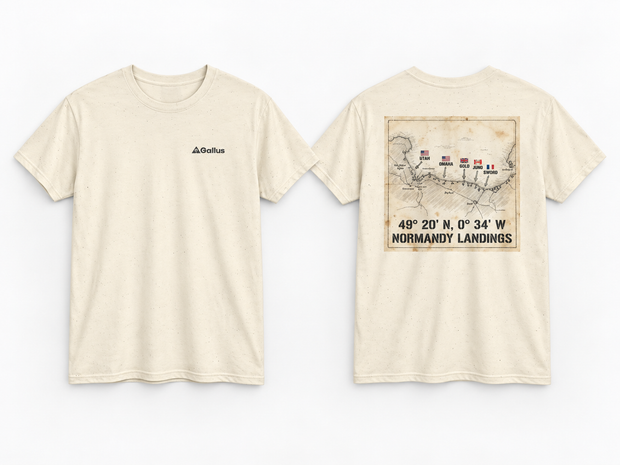
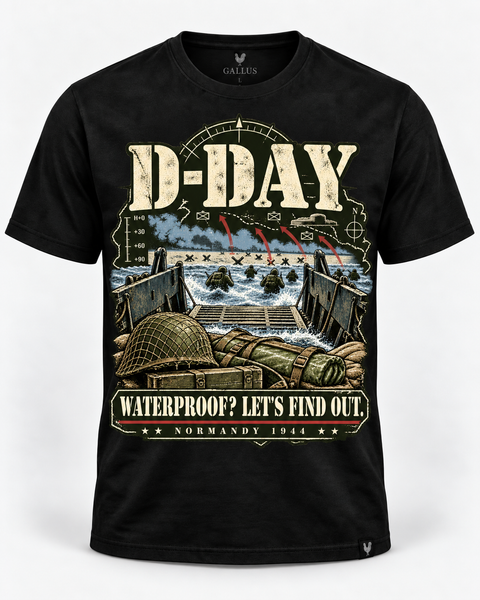
Normandy Landings Map T-Shirt — D-Day 1944
€30,95 EUR
View the design →CAMPAIGN COLLECTION
D-Day & Normandy 1944
Stay with this subject instead of being dropped back into the full catalogue.
Explore the collection →FIELD NOTES
Get new Field Notes by email
New research, campaign guides and useful references without a daily sales barrage.
