


Gulf Crisis 1990–91: The Political Road to Operation GRANBY — Kuwait, Sanctions, Coalition & War

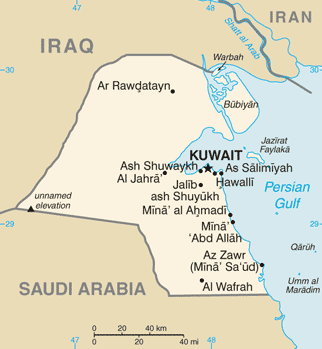
The 1991 Gulf War began with Iraq's invasion of Kuwait on 2 August 1990, but the military campaign came only after months of sanctions, coalition-building, diplomacy and a UN deadline for withdrawal.
This Field Note keeps that political road separate from the fighting. The British campaign itself is covered in the existing Operation GRANBY complete guide.
Iraq invades Kuwait
Iraq emerged from the Iran–Iraq War heavily indebted and in dispute with Kuwait over oil policy, debt and border issues. On 2 August 1990, Iraqi forces invaded and rapidly occupied Kuwait. The action was condemned internationally and triggered an immediate UN response.
UN resolutions and sanctions
The Security Council demanded Iraqi withdrawal and imposed economic sanctions. Later resolutions authorised member states to use 'all necessary means' if Iraq did not withdraw by the deadline set for January 1991.
The legal basis of the coalition campaign therefore differed from later interventions that lacked a comparable explicit Security Council authorisation.
Explore this history
Continue from this Field Note into the closest Gallus campaign and military-history collection.
Explore Campaigns & Operations →
Desert Shield and coalition-building
The United States deployed forces to Saudi Arabia to deter further Iraqi movement. Britain joined the coalition under Operation GRANBY. Arab states including Saudi Arabia, Egypt and Syria also contributed, giving the coalition a broader regional character.
Diplomacy continued alongside the military build-up, but Iraq did not leave Kuwait.
Britain's decision
The UK government under Prime Minister Margaret Thatcher initially supported a firm response and the commitment continued under John Major after November 1990. British policy combined support for UN resolutions, alliance with the United States and concern about the consequences of allowing the annexation of Kuwait to stand.
The deadline expires
The UN deadline passed on 15 January 1991. Coalition air operations began on 17 January. The campaign then moved from coercive diplomacy to war.
What the political story does not prove
It is possible to acknowledge a clear Iraqi invasion, a UN-authorised coalition response and still examine the consequences of the war critically. Historical accuracy does not require treating every coalition decision as inevitable or every criticism as equivalent.
Continue exploring
Sources and evidence used
- United Nations Security Council resolutions on Iraq and Kuwait in 1990–91.
- The National Archives, Prime Minister's Office Gulf War files.
- UK government and RAF histories of Operation GRANBY.
