


German Spring Offensive 1918: Michael, Georgette & the Crisis of the BEF — Complete Field Guide

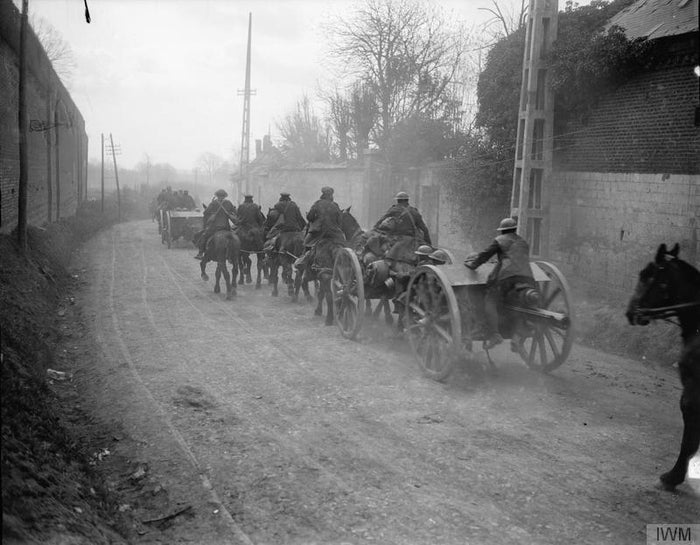
In spring 1918 Germany came closer than at any point since 1914 to breaking the Allied armies on the Western Front.
With troops released from the Eastern Front after Russia left the war, the German High Command launched a sequence of offensives beginning with Operation Michael on 21 March 1918.
Why Germany attacked
German leaders believed the arrival of growing American forces would eventually make the Allied material advantage overwhelming. The 1918 offensives were an attempt to win before that balance became decisive.
Stormtroop tactics
Assault units bypassed some strongpoints, followed short violent bombardments and pushed into rear areas. The aim was disruption rather than clearing every trench in sequence.
Operation Michael
The attack struck the British Fifth and Third Armies across the old Somme battlefield. Fog and surprise helped German infantry achieve deep penetrations. The British Fifth Army retreated while struggling to maintain a coherent line.
Explore this history
Continue from this Field Note into the closest Gallus campaign and military-history collection.
Command crisis
The offensive exposed coordination problems between British and French armies. The crisis contributed to Ferdinand Foch being given greater authority to coordinate Allied operations.
Operation Georgette
On 9 April the Germans attacked in Flanders. Fighting south of Ypres forced the British back from ground won the previous year, including the Messines ridge. Haig issued his famous 'backs to the wall' order during this phase.
Why the offensives failed
German troops advanced faster than supplies could follow, casualties among experienced assault troops were heavy and the offensives did not destroy the Allied armies. Tactical success repeatedly failed to produce a decisive operational result.
The initiative changes hands
By July the German attacks had lost momentum. Allied counter-attacks began to push the front back, setting conditions for the Hundred Days.
Continue exploring
Sources and evidence used
- National Army Museum — 1918: Year of Victory.
- British, German and French official histories for the March–July offensives.
Related Field Notes
FROM THIS CAMPAIGN
World War 1



CONTINUE THE STORY
More from this campaign
Read it, reference it or wear it — the related pieces are kept together here.
FEATURED DESIGN

Amiens 1918 T-Shirt — First World War Battle
€30,95 EUR
View the design →CAMPAIGN COLLECTION
World War 1
Stay with this subject instead of being dropped back into the full catalogue.
Explore the collection →FIELD NOTES
Get new Field Notes by email
New research, campaign guides and useful references without a daily sales barrage.
