


Major-General Sir David Henderson: Founder, Commander & Organiser of the Royal Flying Corps

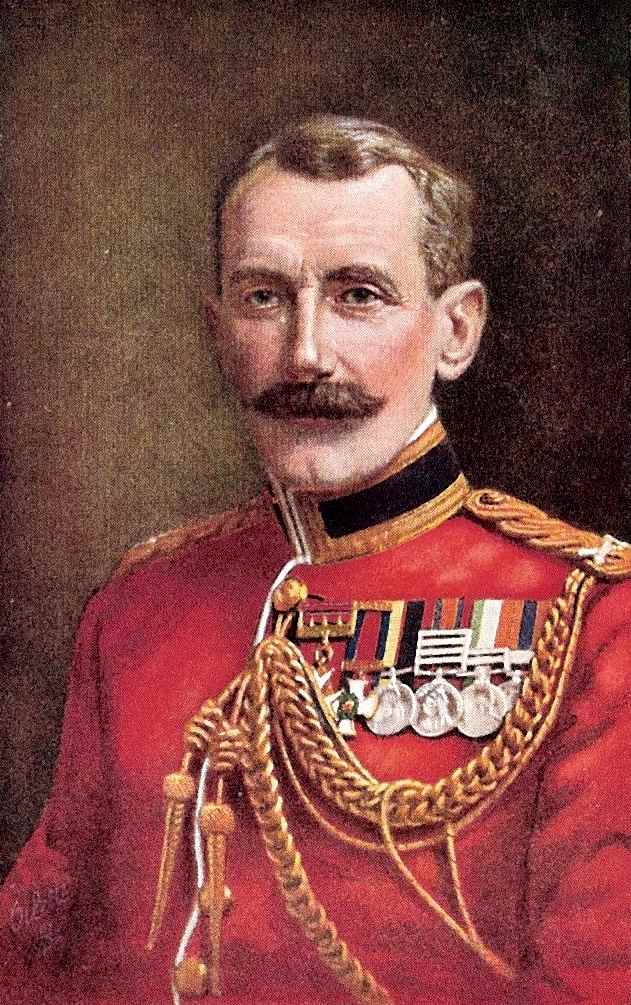
Major-General Sir David Henderson was one of the central architects of British military aviation before and during the First World War. His importance lies less in fighter mythology than in something more fundamental: he helped create an air organisation whose first job was to give the Army information it could not get quickly enough from the ground.

Infantry, intelligence and reconnaissance
Henderson began as an Army officer rather than an aviation enthusiast outside the military system. He served with the Argyll and Sutherland Highlanders and developed a strong interest in reconnaissance and intelligence. That background mattered when aircraft began to offer a new way of seeing beyond the immediate battlefield.
Creating the Royal Flying Corps
In 1911–12 the British government reviewed its weak military aviation position relative to France and Germany. Henderson was one of the officers who did much of the practical work behind the committee recommending a dedicated flying corps. The Royal Flying Corps was established in April 1912 with Military and Naval Wings and a Central Flying School.
Henderson became Director General of Military Aeronautics in 1913, giving him responsibility for military aviation organisation and procurement.
France, 1914
When war began, Henderson also took command of the RFC in the field. The force that crossed to France was small and its principal operational value was reconnaissance. Aircraft helped track German movement during the mobile campaign, while the service was simultaneously learning navigation, communications, photography and how to operate from improvised airfields.
From Henderson to Trenchard
Trying to control both the RFC in France and military aviation policy in Britain was increasingly impractical. In August 1915 Henderson handed field command to Hugh Trenchard and concentrated on the larger organisational problem.
One air service
Henderson later supported the argument that divided responsibility between Army and naval aviation had become inefficient. He contributed to the work that led to the Air Force Act and the creation of a single Royal Air Force in April 1918.
Why Henderson matters
He is sometimes overshadowed by Trenchard because Trenchard became so closely associated with the RAF after 1918. Henderson's contribution came earlier: reconnaissance doctrine, institutional creation and the administrative work needed to turn fragile pre-war aviation into a military service.
As a former mortarman, the Henderson part of the story makes immediate sense to me. Fire support starts with finding, identifying and communicating the target. Aircraft changed the scale and speed at which an army could do that. The glamour came later; the battlefield value began with information.
