


Cyprus Emergency 1955–59: EOKA, Enosis & the British Counter-Insurgency — Complete Field Guide
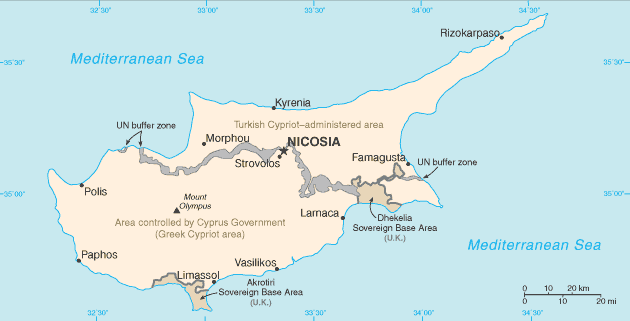
The Cyprus Emergency combined anti-colonial nationalism, guerrilla warfare, communal tension and diplomacy on an island that Britain considered strategically important after the decline of its position in Egypt.
EOKA began an armed campaign in 1955 seeking Enosis—union of Cyprus with Greece. Britain responded with police and military operations, intelligence work, searches and large troop deployments.
Why Cyprus mattered
Britain had controlled Cyprus since the nineteenth century and made it a Crown Colony in 1925. After the Second World War, demands among many Greek Cypriots for Enosis intensified. Britain also valued the island for bases and regional access.
EOKA
The National Organisation of Cypriot Fighters, EOKA, was led by George Grivas. It used bombings, shootings, sabotage and small guerrilla groups rather than conventional forces. Its campaign targeted British authority and also involved violence within Cypriot communities.
The emergency
The governor, Sir John Harding, declared a state of emergency. British forces supported police operations, searched houses and mountain areas, guarded infrastructure and attempted to build intelligence networks.
By mid-1956 around 17,000 British servicemen were on the island, according to the National Army Museum.
Explore this history
Continue from this Field Note into the closest Gallus campaign and military-history collection.
Explore Campaigns & Operations →
Troodos and the intelligence problem
EOKA's small cells, local support networks and mountain terrain made it difficult to locate fighters. Large sweeps could commit thousands of troops and still produce few captures.
Intelligence became more important than simple troop numbers. Identifying couriers, caches, safe houses and leadership networks was essential to disrupting the insurgency.
Urban security
The campaign was not confined to mountains. Riots, attacks and searches occurred in Nicosia and other towns. British servicemen and families could be targeted away from obvious military positions.
Communal tension
Cyprus also contained a substantial Turkish Cypriot community that opposed Enosis and feared rule by Greece. By the late 1950s, intercommunal violence added another layer to the conflict.
Diplomacy and independence
The emergency did not end through military defeat of every EOKA cell. Diplomatic agreements between Britain, Greece, Turkey and Cypriot leaders led to independence in 1960. Britain retained the Sovereign Base Areas of Akrotiri and Dhekelia.
Continue exploring
Sources and evidence used
- National Army Museum — Cyprus.
- British colonial and military records.
- Cyprus constitutional and diplomatic agreements leading to independence.
