


Battle of Arras 1917: Tunnels, Artillery, Monchy & the British Offensive — Complete Field Guide

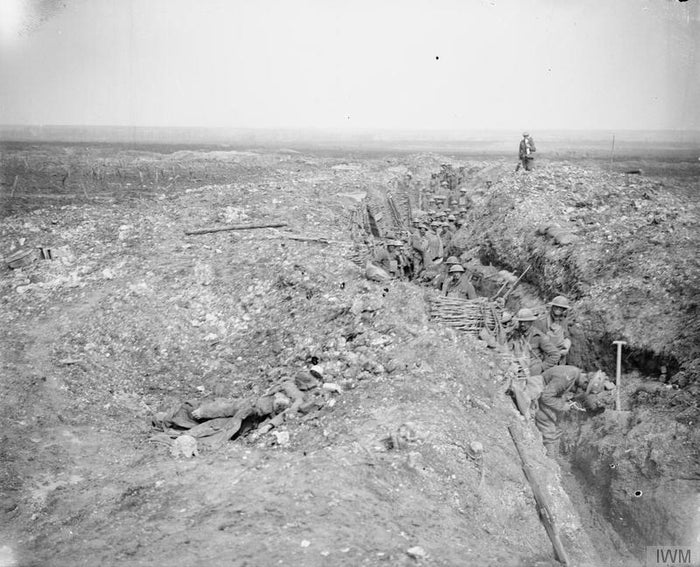
Arras showed how much the British Army had learned since the Somme—and how difficult it remained to turn a successful opening attack into strategic breakthrough.
The offensive began on 9 April 1917 after a carefully prepared artillery programme and extensive use of underground tunnels. British, Canadian, Australian, New Zealand and Newfoundland troops attacked along a broad front.
The plan
Arras supported the larger French Nivelle Offensive. British artillery used improved counter-battery methods, including sound ranging and flash spotting, while infantry rehearsed attacks behind creeping barrages.
Underground Arras
Tunnellers expanded old quarries and excavated passages capable of sheltering thousands of troops close to the front. These systems allowed assault forces to assemble under cover and move forward without exposing themselves to German observation.
9 April
The opening assault achieved substantial gains. Snow and poor visibility sometimes helped attackers. The Canadian Corps captured Vimy Ridge, already covered separately by Gallus, while British formations advanced toward objectives including Monchy-le-Preux.
Explore this history
Continue from this Field Note into the closest Gallus campaign and military-history collection.
Monchy-le-Preux
Monchy became a critical position because it overlooked approaches east of Arras. Fighting there demonstrated the problem of moving artillery and support through churned roads after the infantry had advanced quickly.
The offensive slows
German resistance stiffened, reserves arrived and the British logistics system struggled to keep pace. Repeated attacks continued into May but produced diminishing returns.
What Arras changed
The battle demonstrated improved artillery-infantry integration, counter-battery work and staff preparation. It also reinforced the lesson that tactical sophistication could not by itself overcome the operational problem of moving guns, ammunition and reserves across a devastated battlefield.
Casualties
British and Canadian casualties exceeded 150,000 during the wider Arras offensive. German losses were also severe.
Continue exploring
Sources and evidence used
- National Army Museum — 1917: Year of Stalemate.
- British and Canadian official histories and April–May 1917 war diaries.
Related Field Notes
FROM THIS CAMPAIGN
World War 1



CONTINUE THE STORY
More from this campaign
Read it, reference it or wear it — the related pieces are kept together here.
FEATURED DESIGN

Vimy Ridge 1917 T-Shirt — Canadian Corps First World War
€30,95 EUR
View the design →CAMPAIGN COLLECTION
World War 1
Stay with this subject instead of being dropped back into the full catalogue.
Explore the collection →FIELD NOTES
Get new Field Notes by email
New research, campaign guides and useful references without a daily sales barrage.
