


Anzio 1944: Operation Shingle, Beachhead Battles & the Road to Rome — Complete Field Guide

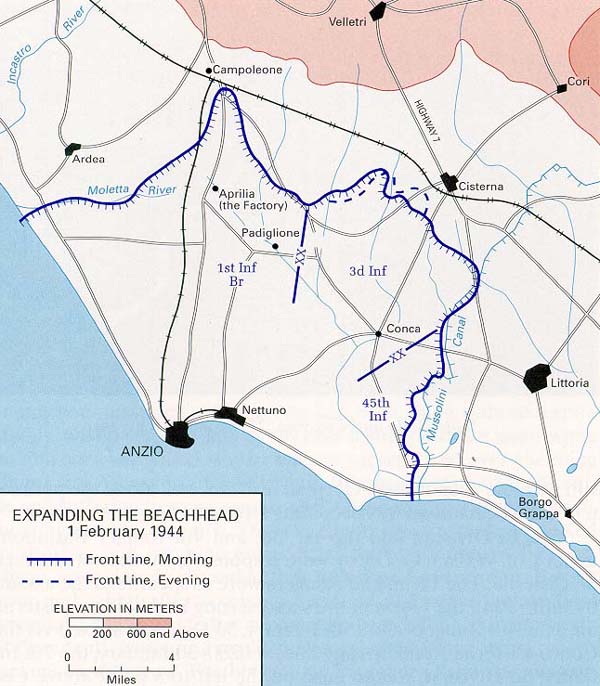
Anzio was designed to bypass the Gustav Line. Instead, the landing force became locked in a shallow beachhead under German artillery observation for four months.
Operation Shingle began on 22 January 1944. British and American forces landed behind the German front south of Rome, initially meeting limited resistance.
The opportunity
The landing achieved tactical surprise, but the Allies did not immediately drive hard for the Alban Hills. German commanders used the pause to assemble forces around the beachhead.
The beachhead
Flat, waterlogged ground limited movement and provided little cover. German artillery could strike ports, roads and rear areas, while Allied troops built dugouts into drainage ditches and farm ground.
Explore this history
Continue from this Field Note into the closest Gallus campaign and military-history collection.
German counter-attacks
February brought heavy assaults intended to crush the beachhead. British and US units fought defensive battles around places such as Aprilia, the 'Factory' and the wadis.
Supply under fire
Everything depended on the beaches and port. Ammunition, food, armour and replacements came in through areas that remained within artillery range.
Breakout
In May, the Allied offensive on the Gustav Line and the Anzio breakout finally linked. The road to Rome opened, although later debate focused on whether the advance was directed optimally to trap retreating German forces.
Continue exploring
Sources and evidence used
- British and US official histories of the Italian campaign.
- Commonwealth and US unit war diaries for the Anzio beachhead.
Related Field Notes
FROM THIS CAMPAIGN
World War 2

CONTINUE THE STORY
More from this campaign
Read it, reference it or wear it — the related pieces are kept together here.
CAMPAIGN COLLECTION
World War 2
Stay with this subject instead of being dropped back into the full catalogue.
Explore the collection →FIELD NOTES
Get new Field Notes by email
New research, campaign guides and useful references without a daily sales barrage.
