


Anna Guérin: The 'Poppy Lady from France' & Britain's First Poppy Appeal

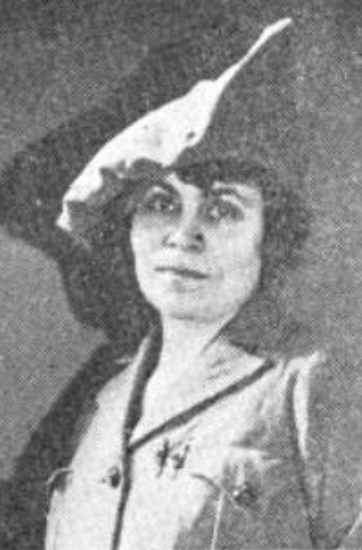
Anna Guérin was the French campaigner who persuaded the newly formed British Legion to adopt the remembrance poppy in 1921. John McCrae's poem made the poppy a powerful image; Guérin helped turn that image into an organised fundraising practice connected to veterans and people affected by the war.

Teacher, lecturer and wartime fundraiser
Born in France in 1878, Guérin worked as a teacher and lecturer. During the First World War she became heavily involved in fundraising in the United States for French people affected by the conflict, especially children in devastated areas.
The poppy idea was international
The remembrance poppy did not have one inventor. John McCrae's In Flanders Fields supplied the most famous battlefield image. American academic Moina Michael campaigned to use the poppy as a memorial symbol and to raise money for former servicemen. Guérin developed her own international Poppy Day work and sought to connect the symbol with practical fundraising.
Britain, 1921
The British Legion had only just been formed when Guérin approached it in 1921. Royal British Legion records state that she persuaded its founders to adopt the poppy as the organisation's emblem of remembrance. The Legion first ordered a million French-made poppies and then millions more from British manufacturers to meet demand.
The first British Poppy Appeal on 11 November 1921 sold out rapidly and raised more than £100,000 for veterans' welfare. The following year the Legion established the Poppy Factory, employing disabled ex-servicemen to manufacture poppies in Britain.
Why Guérin matters
Her story connects memory with welfare. The poppy was not adopted only to make ceremonies visually distinctive. It was also a fundraising instrument intended to help people living with the consequences of war.
That distinction remains useful today. Remembrance culture includes symbols and ritual, but it also grew alongside practical concerns about employment, disability, housing and support for former service personnel and their families.
As a veteran, that welfare connection matters to me. It is easy for remembrance to become purely ceremonial. Guérin's part of the story reminds us that the first British Poppy Appeal was also about what happened to people after the parade was over.
