


Aden Emergency & Radfan 1963–67: British Army, Mountain War & Withdrawal — Complete Field Guide
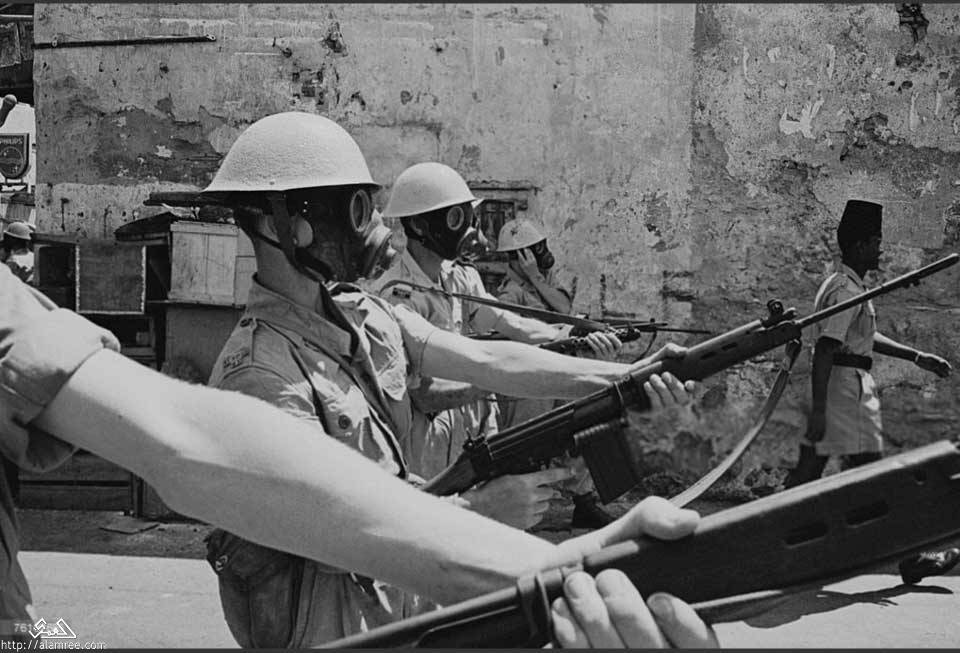
Aden forced the British Army to fight two different problems at once: mountain warfare in the Radfan and an urban insurgency inside one of the empire's most strategically important ports.
The conflict ran through the final years of British rule in South Arabia and ended with withdrawal in November 1967.
Aden and the Federation
Aden had long served as a port and military base on the route between Europe and Asia. Britain attempted to manage decolonisation through the Federation of South Arabia, but nationalist movements opposed the arrangement.
The Radfan
In 1964 unrest in the mountainous Radfan threatened the road toward Dhala. British and Federation forces conducted operations across extremely difficult terrain, using infantry, artillery and helicopters to seize high ground and disrupt rebel groups.
National Army Museum records describe a second expedition launched in April 1964 that captured dominating ridges and by late May took the main rebel stronghold in Wadi Dhubsan.
Explore this history
Continue from this Field Note into the closest Gallus campaign and military-history collection.
Explore Campaigns & Operations →
Helicopters and mountain movement
Helicopters such as the Bristol Belvedere helped move troops into positions that would otherwise require long climbs over exposed ground. Air mobility did not remove the need to hold ridges on foot, but it changed the speed and reach of operations.
The urban emergency
Inside Aden, the National Liberation Front and FLOSY carried out attacks and competed for political control. British troops patrolled dense urban areas where identifying attackers was far harder than locating a position on a mountain ridge.
Crater
Fighting in the Crater district in 1967 became one of the best-known episodes of the emergency. British forces temporarily lost control after mutiny and violence, then re-entered the area. The action demonstrated the difference between conventional tactical success and the larger political decision to withdraw.
Withdrawal
Britain accelerated its departure and withdrew in November 1967. The People's Republic of South Yemen emerged after independence.
Continue exploring
Sources and evidence used
- National Army Museum — Aden Emergency.
- British unit histories and official records from Radfan and Aden.
- Contemporary diplomatic records on the Federation and withdrawal.
