


Lieutenant-General Sir Julian Byng: Canadian Corps, Vimy Ridge, Third Army & Cambrai
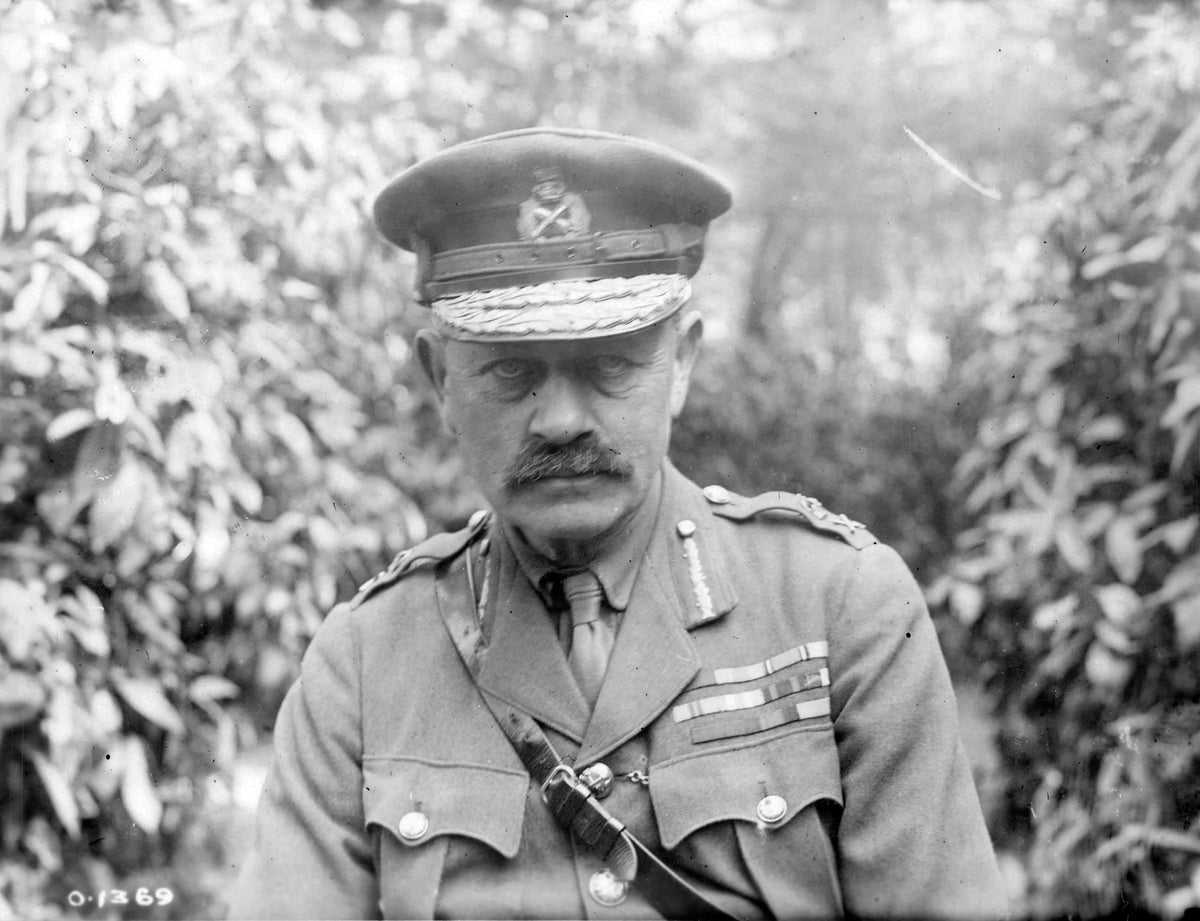
Lieutenant-General Sir Julian Byng commanded the Canadian Corps at Vimy Ridge in April 1917 and the British Third Army at Cambrai seven months later. He is therefore a useful commander through whom to read the British Army's transition from set-piece trench offensives toward more integrated operations involving artillery, infantry, engineers, aircraft and tanks.

Canadian Corps and Vimy
Byng took command of the Canadian Corps in May 1916. By the time of the Vimy Ridge attack in April 1917, the Corps had four Canadian divisions under command and was preparing for its first major action with all four fighting together.
Canadian planning for Vimy is associated with detailed rehearsals, maps distributed far below the level common in earlier operations, creeping artillery barrages and counter-battery work. Byng's headquarters set the framework while divisional and brigade commanders developed the detailed execution.
I read Byng through mission command and preparation: how much of the plan is understood below headquarters, what happens when leaders or communications are lost, and whether supporting systems are aligned to the movement of the troops actually taking ground. That is a service lens, not a claim of historical equivalence.
On 9 April 1917 the Canadian Corps attacked across the ridge. Most objectives were secured on the first day; fighting continued around Hill 145 and the Pimple. The ridge was taken and the German Sixth Army withdrew to a new line.
From Canadian Corps to Third Army
Byng left the Canadian Corps in June 1917 and took command of the British Third Army. That put him in charge of the formation that would conduct the Battle of Cambrai in November.
Cambrai is remembered for the first large-scale concentration of tanks, but the Third Army plan was broader. Artillery used predicted fire rather than a long preliminary bombardment; tanks were intended to crush wire and cross trenches; infantry followed closely; aircraft supported the battle; engineers worked routes and crossings.
The opening attack on 20 November achieved a major rupture in the Hindenburg Line. The later battle exposed the limits of exploitation, logistics, reserves and holding newly won ground.
German counter-attack
On 30 November the German Second Army struck back using intense artillery fire, infiltration tactics and local concentration. Much of the British gain was recovered.
For Byng, Cambrai was therefore both proof and warning. New methods could open a heavily fortified front, but break-in was not the same as break-through. The army also needed fresh infantry, road capacity, artillery ammunition, engineering support and command arrangements able to survive a fluid battle.
1918
Byng retained command of Third Army during the German Spring Offensive and the Allied advance later in 1918. His formation fought at major actions including the Second Battle of the Somme and the later advance through the Hindenburg Line.
After the war he received a peerage and later served as Governor General of Canada.
Why Byng matters
Vimy and Cambrai show two sides of command. At Vimy, deliberate preparation and a carefully rehearsed corps attack. At Cambrai, innovation that achieved surprise and penetration but then outran the system needed to turn the opening into a decisive operational result.
Related: Vimy Ridge field guide · Cambrai field guide
